

When regarding the trucking industry, safety of tires is frequently an afterthought, yet it serves a crucial role in ensuring the overall safety and efficiency of your operation. Freight truck tires carry the heavy load of both the truck and its cargo, and a failure to attend to their condition can lead to costly accidents, increased fuel consumption, and unexpected downtime. The stakes are high; from tire blowouts to uneven wear and pressure issues, neglecting tire safety can have serious consequences not just for drivers, but for everyone on the road.
Comprehending how to choose the right tires, knowing when to replace the tires, and properly maintaining them properly can make a substantial difference in safety and operational cost. In this article, we will discuss the importance of semi-truck tire safety, investigate the best practices for maintenance, and offer insights into tire selection based on multiple factors including freight type and road conditions. Through proactive tire care, fleet managers and truck drivers can also enhance safety on the highways but also improve fuel efficiency and extend the lifespan of their tires.
Selecting the Best Tyres for Your Semi-Truck
Determining the appropriate tyres for your semi-truck is a vital decision that can greatly impact your vehicle's performance and safety. When considering https://forums.jinglemad.com/members/camerasilver91/activity/44042/?activity/p/44042/ , it is essential to assess the particular needs of your freight and the routes you typically travel. Diverse tires are designed to accommodate different loads, road conditions, and weather scenarios, making it crucial to pair your tire choice with your business requirements.
One of the important factors to consider is the category of tires: steer, drive, and trailer tires serve varied purposes. Steer tires are designed for handling and control, drive tires provide traction and propulsion, while trailer tires support the load. Understanding these distinctions will help ensure maximum performance and safety for your semi-truck. Additionally, consulting with well-known tire brands known for quality can lead to superior long-term value and reliability.
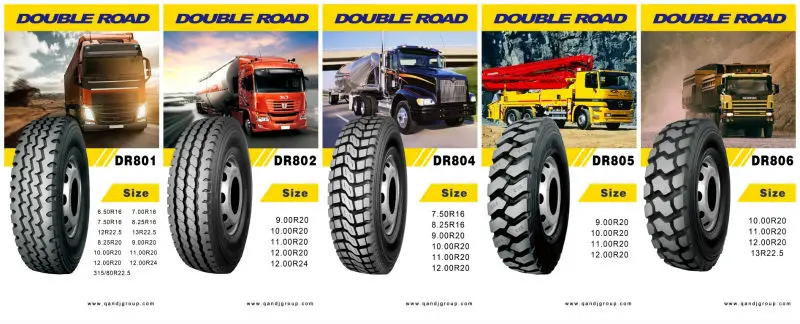
Lastly, don't neglect the importance of load ratings and tire pressure specifications. Every tire has a specific load rating, which reveals how much weight it can safely and efficiently carry. Maintaining correct tire pressure is also crucial, as underinflated or excessively inflated tires can lead to uneven wear, lowered fuel efficiency, and increased risk of blowouts. By carefully evaluating your needs and complying with manufacturer guidelines, you can choose the best tires that enhance safety and efficiency on the road.
Indicators of Tyre Wearing and When to Change
Noticing the indicators of tire wear is vital for ensuring safety and performance on the road. One of the most obvious signs is the wear of the tread. If the depth of tread drops below the minimum requirement of 2/32 of an inch, it's necessary for a new tire. Additionally, if the wear appears to be unevenly worn down, it may suggest alignment issues or improper inflation. Drivers should also look for any cuts, cracks, or bulges on the tyre surface as these can result in blowouts and compromise safety.
Another important indicator for replacement is the age of the tyres. Even if the tread appears adequate, tires older than six years should be carefully evaluated, as rubber degrades over time, making them more susceptible to failure. Check the manufacture date stamped on the tire sidewall to determine its age. If the tires have been in service for a long period, regardless of tread condition, changing them can help avoid unexpected on-the-road issues.
Regular inspections are key to tyre management. Look out for vibrations or handling problems while driving, as these can indicate emerging problems. If you're experiencing frequent air loss, it could be due to damage or faults that require a tyre change. Implementing a proactive approach in overseeing these signs can ultimately reduce expenses, enhance safety, and support long-term efficiency for heavy truck operations.
Best Techniques for Heavy-Duty Truck Tire Maintenance
Caring for semi-truck tires is crucial for safety and effectiveness. Routine inspections should be carried out before every trip, concentrating on the depth of the tread, noticeable damage, and correct inflation levels. Operators should be trained to recognize irregular wear patterns and any signs of distress. Maintaining a log of tire conditions over time can help log performance and anticipate replacement needs, ensuring that no issues go unnoticed.
Adequate tire inflation is important for extending lifespan and fuel efficiency. Tires should be checked at a minimum of once a week, and corrections should be made according to the manufacturer's guidelines based on load conditions. Under-inflated tires can lead to excessive wear and potential blowouts, while over-inflation can diminish traction and overall grip. Employing technology such as tire pressure measuring systems can aid in ensuring optimal tire pressure efficiently.
Additionally, rotating tires frequently can help ensure consistent wear and extend their service life. Many experts advise rotating semi-truck tires every 5K-10K miles, depending on the type of freight and driving conditions. Along with rotation, aligning the tires is crucial to prevent shaking and additional uneven wear. Establishing a consistent maintenance schedule will ensure tires in excellent condition, enhance safety, and ultimately lead to decreased operation costs.