

Upholstery cleaning isn't always the highest priority on your household maintenance checklist, but it plays a crucial role in maintaining the beauty and integrity of your furniture. Over time, upholstery might accumulate allergens, dirt, and stains, causing a decline in both its appearance and the air quality in your home. Whether you have a beloved settee that has seen better days or a newer chair that needs a little refreshing, understanding the ins and outs of upholstery cleaning can enhance your living space from drab to fab.
In this article, we will explore stunning upholstery transformations that can be achieved through successful cleaning methods. From DIY techniques to the advantages of expert services, we will provide you with the ultimate guide to upholstery cleaning for homeowners. You will learn about common stains and how to tackle them, the frequency with which you should clean, and tips to avoid common mistakes. Be with us as we discover the secrets to revitalizing your upholstered furniture and creating a fresher, healthier home environment.
Crucial Furniture Cleaning Techniques
When it comes to furniture care, understanding the right methods is important for obtaining stunning results. One of the best approaches is the vacuuming process, which should be done consistently to eliminate debris, grime, and irritants from the upholstery. This simple step helps stop particles from settling into the threads and becoming more difficult to clean over the long term. Use the furniture tool on your cleaner to reach crevices and tight spots, ensuring a thorough cleaning.
Another common technique is stain treatment, which addresses spots promptly to stop them from becoming permanent. For this, it's important to determine the kind of stain and the material before using any cleaners. Using a blotting technique with a fresh cloth or pad is generally recommended, as scrubbing can cause the stain to worsen or harm the fabric. Following up with a gentle soap solution or a fabric-safe cleaner can help lift the spot successfully.
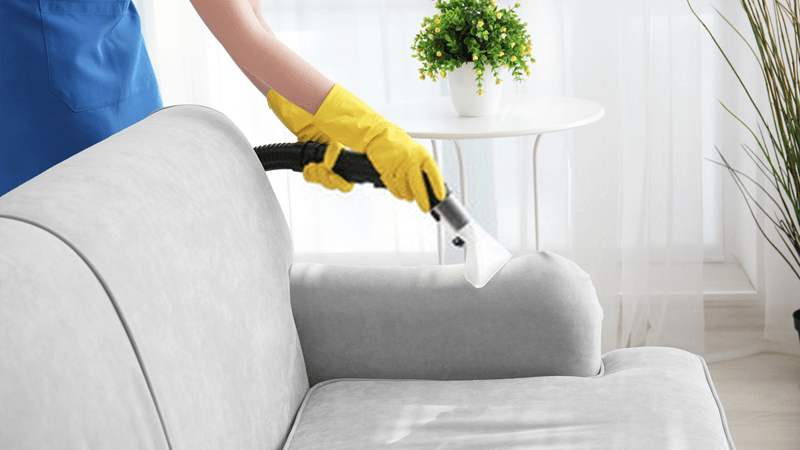
The steam cleaning method is also a popular method for thorough upholstery cleaning. This technique utilizes the power of heat and humidity to penetrate the fabric and remove grime and bacteria. While some property owners may attempt DIY steam cleaning, experts often achieve superior outcomes with professional-grade equipment. It's crucial to test a small, inconspicuous area first to make sure the fabric can withstand the temperature and humidity without harm. Go to the website and drying time afterward are also important to maintaining the integrity of the upholstery.
Frequent Couch Spots and Treatments
Fabric is susceptible to a range of stains, and detecting them can considerably aid in the removal task. Frequent culprits include brew, white wine, pen ink, and pet stains. Each kind of mark demands a specific method for successful cleaning. For instance, to tackle a java spill, dab the area immediately with a clean cloth to absorb as much moisture as possible before applying a blend of dish soap and liquid. As for white wine stains, using white vinegar and liquid can counter the hue and help remove the mark.
Marker ink stains can be especially difficult, but there are effective remedies. Rubbing alcohol is one of the best solutions; dab it to a cotton pad and gently touch the ink stain, taking precaution not to rub, as this can extend the stain more. For animal messes, a mixture of baking soda and vinegar can help neutralize scents and get rid of the spot. It is crucial to handle these marks without delay to prevent them from embedding and growing more difficult to clean.
Always remember to try any solution on an inconspicuous area of the couch first. This step helps ensure that you won’t ruin the material or alter its appearance. Additionally, for stubborn spots, professional upholstery cleaning services can provide powerful solutions that are often more successful than DIY strategies, especially for delicate fabrics.
Specialized vs. Home Cleaning: Essential Information
Choosing between specialized and home upholstery cleaning can significantly impact the effect and longevity of your furniture. Professional cleaning services often use state-of-the-art equipment and specialized cleaning solutions that successfully remove heavily embedded dirt and stains. They have the knowledge to identify fabric types and opt for the right cleaning methods, ensuring a comprehensive and gentle cleaning process. This is particularly vital for particularly delicate fabrics that require careful handling.
On the other hand, do-it-yourself cleaning can be a budget-friendly option for homeowners willing to spend time and effort. There are various products and techniques available, including steam cleaning machines to homemade solutions. However, without the proper knowledge, do-it-yourself approaches may result in damaging the upholstery or not sufficiently getting rid of stains completely. It's crucial to investigate the appropriate methods for your particular fabric type and be careful about the products used to avoid detrimental effects.
Ultimately, the decision hinges on your upholstery's condition, your budget, and how at ease you feel handling the task. If the upholstery has persistent stains or is significantly soiled, specialized cleaning may provide the most effective results and peace of mind. For occasional maintenance or light spills, a DIY approach can suffice, giving you the control to keep your furniture looking its best.