

Whenever a loved one dies, the responsibility of planning a funeral can feel overwhelming. Yet, it is also an opportunity to celebrate their existence and construct a purposeful farewell. Planning a funeral that reflects the character of the person who has departed can help honor their spirit and extend comfort to those who are mourning. This article functions as a complete guide to addressing the challenges of funeral planning, equipping you with crucial information and insights to help you create a tailored tribute.
From understanding the basics of funeral options to discussing important cultural traditions, we will cover the essential components of arranging a funeral that is both dignified and reflective of your loved one's character. You will learn on how to discuss effectively with your family about preferences and arrangements, as well as useful tips on budgeting and timeline management. If https://telegra.ph/Past-the-Fundamentals-Innovative-Movements-in-Funeral-Planning-02-16 are preparing in advance or dealing to an unexpected loss, our guide is designed to enable families to make determinations that truly honor a life well-lived.
Vital Steps in Funeral Preparation
The first phase in planning a memorial service requires recognizing the urgent needs following a family member passing. It is crucial to contact close friends while considering what to do afterward. Assembling important papers such as the certificate of death, will, and insurance documents is crucial, as it facilitates in making informed decisions moving forward. This first step can feel overwhelming, but having a clear list of tasks can streamline the process.
Once the immediate requirements are satisfied, families should start thinking about the logistics of the service. This includes deciding between burial or cremating, choosing a mortuary, and establishing any specific wishes the departed may have had. It is also advantageous to create a budget, as costs can vary significantly depending on options made. By outlining key elements and preferences, families can create a meaningful ceremony that honors their loved one’s desires.
Finally, personalization plays a integral role in funeral planning. Families should reflect on how to celebrate the individual life of their dear one. This could entail adding memorable stories, special music, or themed decorations that resonate with their spirit. By prioritizing personalization, families can create a tribute that not only celebrates the departed but also provides solace to those who are grieving.
Customizing the Funeral Experience
Crafting a personalized funeral ceremony is an important aspect of celebrating a loved one's life. Families can reflect the distinctive nature of the individual by incorporating meaningful elements that resonate with their essence, hobbies, and values. This may consist of tunes that they cherished, images that highlight important events, or even decor that symbolize their interests. Each element becomes a dedication that tells their personal story and allows attendees to engage with the memories shared.
In addition to material elements, the ceremony's tone and structure can be customized to capture the individual's spirit. For example, a life tribute can include narratives where friends share their beloved memories. This merely provides a feeling of happiness and remembrance but also fosters a supportive environment for those in mourning. Attendees often find comfort in humor and treasured memories, allowing the service to combine sorrow with joy.
Furthermore, consider incorporating religious traditions that were meaningful to the person or their family. This can deepen the emotional resonance of the service and guarantee that it feels true. By weaving together unique touches and meaningful ceremonies, the funeral becomes a sincere representation of a life fully embraced, providing solace and connection for those who come together to remember the legacy of their deceased.
Managing Feelings and Practical matters
Planning a funeral involves navigating a challenging mix of feelings and logistical considerations. It is an intimate process that can evoke grief, reflection, and even solace as families consider their loved one’s life and legacy. Acknowledging these emotions is important when approaching funeral planning. It’s vital to provide yourself and your family members the space to express their emotions, whether that be grief, anger, or happiness. Voicing these emotions can help all involved feel more connected during this difficult time.
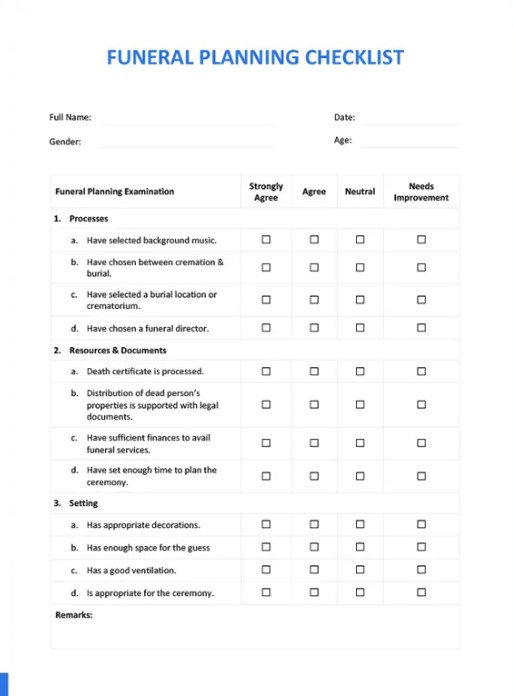
On the logistical aspect, having a well-defined plan can ease some of the stress associated with planning a memorial service. Maintaining a plan can help guarantee that all required steps are completed, from selecting a venue to choosing interment or ashes scattering. Being aware of the expenses involved is also crucial so that families can make wise decisions without unexpected expenses. This balance between preparing emotionally and logistical planning creates a setting where families can remember their departed's memory with significance.
Ultimately, as families manage the practicalities of planning a celebration of life, it is crucial to remain focused on what truly matters: celebrating a legacy. Personalizing the service to showcase the uniqueness of the loved one can help create a soothing and intimate experience for everyone involved. By integrating emotional understanding with logistical actions, families can create a tribute that resonates strongly and fosters healing among those who gather to part ways.