

Maintaining a garden can be at once a rewarding and daunting responsibility for homeowners. Whether you are tending to a blooming flower bed or raising vegetables in your backyard, steady garden maintenance is essential to making sure that your green space thrives throughout the year. The best techniques and skills can change your outdoor area into a beautifully lush and well-maintained sanctuary, enhancing both your satisfaction and your property's value.
In this thorough guide, we will investigate essential garden maintenance tips that cater to every season and circumstance. From springtime checklists to summer heat management, fall preparation, and cold season protection techniques, we will cover vital tasks that should not be overlooked. In addition, for busy homeowners and those managing smaller spaces, we will share tips on effective maintenance and low-maintenance designs. With the suitable tools and practices, anyone can build a flourishing garden, regardless of their experience level.
Year-Round Garden Care
Caring for a charming garden all year the year demands a vigilant approach and awareness of the seasonal variations. Each season brings its unique challenges and possibilities for plant care, making it important to adjust your gardening techniques accordingly. By adopting a structured garden maintenance plan, you can make sure that your plants thrive and your outdoor space stays inviting.
In spring, focus on refreshing your garden after the long winter. This is the moment for soil preparation, planting new seeds, and guaranteeing sufficient irrigation. Creating a spring garden maintenance to-do list will help you stay on top of critical tasks like trimming, fertilizing, and mulching to provide your plants with the best chance to thrive as they enter their active growth period.
As the seasons move into the summer months, it's important to watch over your garden for stress from heat. Installing Garden Maintenance Middlesbrough North Yorkshire and modifying your watering routine becomes vital during this time. Additionally, watching for pests and diseases is essential, as elevated temperatures often attract unwanted visitors. Regular maintenance during these hot months will establish the basis for a thriving garden as you transition into the colder autumn season.
Seasonal Care Checklists
Each season comes with its own tasks essential for maintaining a healthy landscape. During spring, focus on preparing your garden for new growth. These tasks include removing any winter debris, testing soil health, and incorporating compost or fertilizers. Start planting spring flowers and vegetables and keeping an eye on unwanted plants that may start to emerge. Consistently check for pests as the weather warms up, and make sure your irrigation system is ready for the growing season.
As summer heat arrives, your maintenance efforts should focus on keeping plants hydrated and healthy. Be sure to mulch around your plants to hold moisture and control weeds, and set up a consistent watering schedule. Now is also the perfect time to prune back any shrubs and deadhead flowers to encourage continued blooming. Keep an eye on your plants for signs of stress caused by heat, and take initiative about pest management to prevent infestations that can arise in warmer weather.
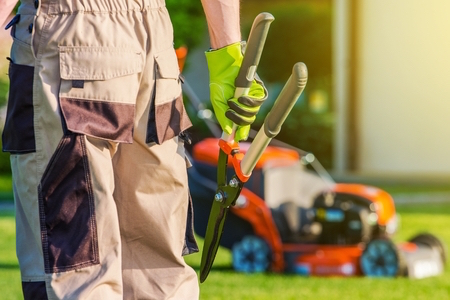
Fall maintenance tasks are critical to preparing your garden for the winter months. Begin by removing dead plants and debris to prevent disease and pests from overwintering. Now is also the time for planting spring bulbs and refreshing mulch to insulate the soil. Conduct a final review of your lawn care, ensuring it is aerated and seeded if necessary. In closing, set aside time to review your garden maintenance tools, washing and sharpening the tools to make sure they are ready for use once spring comes back.
Essential Instruments and Techniques
Having the right tools is vital for successful garden upkeep. Basic tools that each homeowner should have include a hand trowel for digging, a trimming tool for trimming, and a robust rake for collecting debris. Additionally, a reliable pair of gloves will safeguard your hands while working in the garden. Acquiring a premium watering can or hose with an flexible nozzle will ensure adequate irrigation, while a wheelbarrow cart can make carrying soil and plants much more convenient. Keeping these necessary tools organized and in good shape will make your gardening tasks more effective.
Techniques are just as important as tools when it comes to caring for a healthy garden. Routine checking the soil moisture and applying mulch can help retain water and minimize weeds. Additionally, practicing crop rotation can enhance soil health and prevent pests. For those with hectic schedules, using easy-care designs such as native plants or xeriscaping can reduce the effort spent on caring. Learning correct pruning techniques can also have meaningful benefits, promoting healthy growth and flower production.
To boost your garden maintenance efforts, consider staying informed about seasonal tasks and best practices. Developing a monthly checklist can keep you organized and ensure that all necessary tasks are completed on time. Techniques such as partner planting can naturally deter pests and promote a thriving ecosystem, while natural fertilizers and compost enrich the soil without impacting the environment. By utilizing both the right tools and proven techniques, you can create and maintain a flourishing garden that adds aesthetic appeal to your home.