

Building a home theater brings forth the charm of the large screen right into your home space, transforming how you enjoy movies, athletic events, and video games with family and relatives. If you're a avid movie lover or a casual viewer, a well-designed home cinema can improve your viewing experience incredibly. This manual will take you through the crucial steps for a triumphant DIY home cinema creation, assisting you guide through arranging, purchasing, and setting up the elements required for your dream setup.
From choosing the appropriate screen and projector to grasping audio arrangements and lighting features, we will cover all the essentials to create a customizable space that meets your preferences. We'll also analyze the advantages and disadvantages of DIY installations versus employing experts, ensuring you have all the information to make the best decision for your project. By the end of this resource, you will be prepared with the knowledge to avoid frequent installation errors and safeguard your home cinema, making movie nights an memorable experience.
Home Cinema Installation Options: Do-It-Yourself vs Professional
When considering a home cinema installation, the decision between a DIY approach and engaging a specialist can significantly impact your overall satisfaction and results. Do-It-Yourself installations appeal to those who are knowledgeable about technology and enjoy the challenge of creating a personalized space. They provide the freedom to choose components and customize layouts according to individual preferences without the added expenses of labor. However, it is critical to have a thorough understanding of audio-visual technology and installation techniques to avoid potential pitfalls.
On the flip side, engaging a professional for home cinema installation often guarantees a higher level of expertise and quality. Experienced installers can provide tailored advice based on your specific space, ensuring that all elements, from acoustics to lighting, are optimized for the best viewing experience. Moreover, professionals can navigate complex installations that involve extensive wiring and advanced technologies that may be intimidating for a novice. read more in a expert service can yield better long-term results, particularly in terms of performance and reliability.
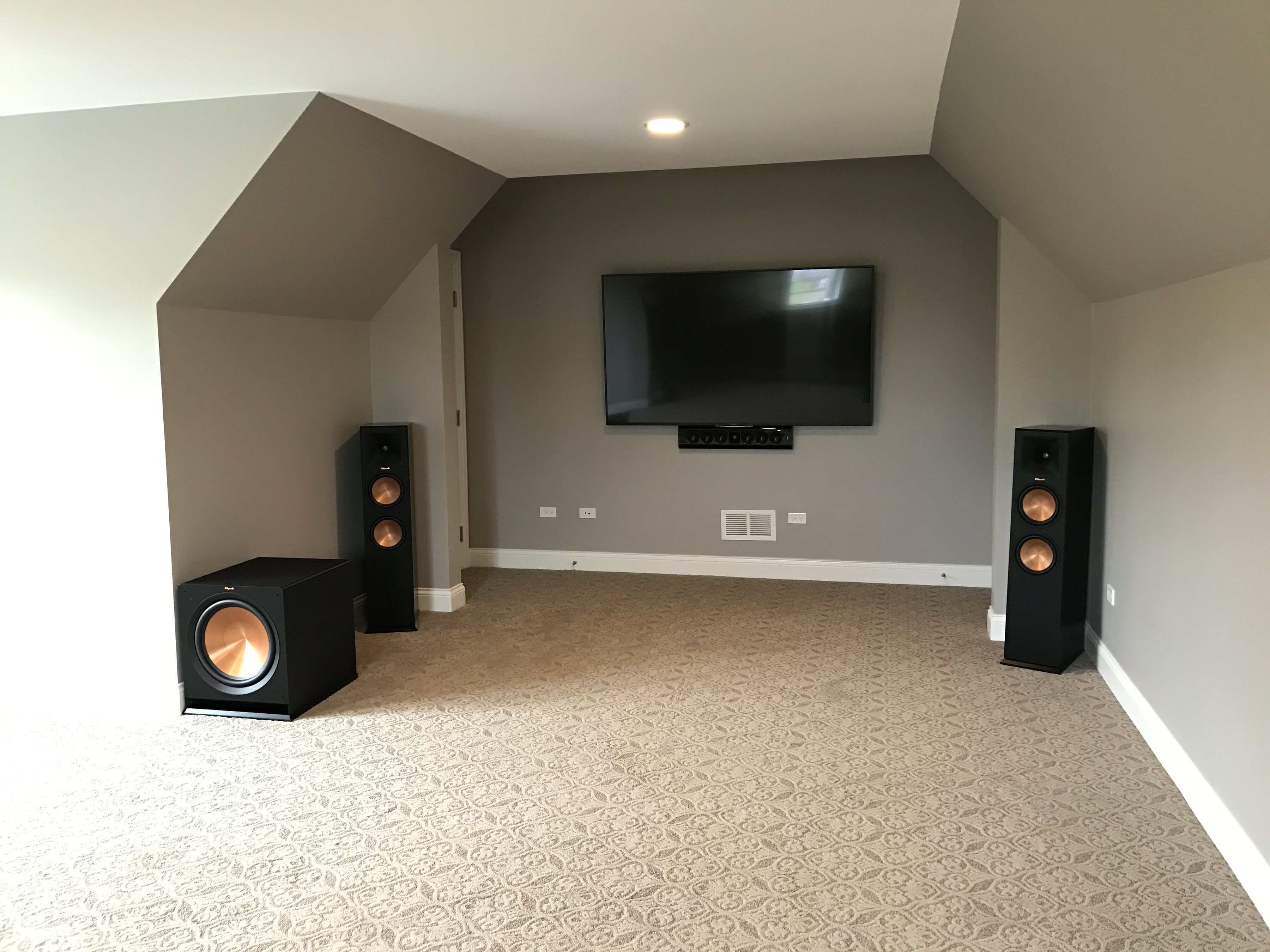
Ultimately, the choice between DIY and professional installation depends on your budget, skill level, and the complexity of the desired setup. For those with basic needs and a willingness to learn, a Do-It-Yourself installation may suffice. However, for individuals seeking a high-end home cinema setup or those who may feel unsure by the complex aspects, enlisting a professional can be a wise decision that leads to contentment and enjoyment in your home cinema for years to come.
Crucial Design Tips for a Perfect Home Cinema Room
Building the optimal home cinema room starts with identifying the appropriate space. Find a room that is away from outside noise and distractions, ideally with enough space to comfortably fit your seating and equipment. Take into account the room's dimensions and layout; a room that is too narrow or high may adversely impact sound and visual quality. Aim for a space that allows for optimal projector distance and screen placement, making sure everyone has a good view without straining their necks.
Lighting plays a crucial role in the overall home cinema experience. It is important to control ambient light to improve picture quality and create the right atmosphere. Set up blackout curtains or shades to eliminate any natural light during viewing. Additionally, think about implementing dimmable lighting options or LED strips around the room to set the mood and reduce glare on the screen. Proper lighting enhances the cinematic experience, making it more enjoyable and immersive.
Finally, consider the seating arrangement and comfort. Choose seating that offers good support and adjustability to ensure that everyone enjoys the film without discomfort. The arrangement of seats is crucial; strive for a tiered arrangement if space permits, allowing each viewer an unobstructed view of the screen. This is particularly important in compact rooms where the distance to the screen may be shorter. Ensure there is sufficient space between seats for mobility and comfort, creating a welcoming environment for family and friends to enjoy their movie nights.
Typical Blunders and Tips for Avoiding Them in Home Cinema Installation
A prevalent error in home cinema installation is overlooking the importance of acoustic properties. Numerous aficionados focus solely on picture quality, neglecting that audio fidelity is equally crucial for an enjoyable setup. To steer clear of this issue, consider installing sound treatment panels and acoustic insulation to your walls, and ensure that your speakers are properly placed to create an effective sound stage. Spending effort to focus on acoustics will dramatically elevate your cinema experience.
A common mistake is poor seating configuration. Positioning seats too close to the projection or not considering sight lines can lead to unease and a poor viewing quality. To counteract this, determine the spacing based on your screen size and follow guidelines for viewing angles. Additionally, ensure that all seats are aligned for optimal sight to the screen and that each person can enjoy the optimal seating.
Finally, overlooking cable organization often results in a cluttered and unprofessional appearance. Too many cables can create safety hazards and detract from the overall visual appeal of your home cinema. Consider cable organization during your setup. Use cable ties, conduits, or raceways to neatly hide wires and maintain a clean environment. A properly arranged system not only is more visually appealing but also simplifies future upgrades and maintenance much easier.