

Clogged sewers can be a homeowner’s worst nightmare. Whether it’s a a slow kitchen sink or a backed-up bathroom drain, the annoyance of dealing with obstructed drains is something most homeowners can identify with. Understanding the common causes of these blockages and how to stop them can conserve you both days and money. Ultimately, proactive measures is always preferable than having to deal with an urgent situation.
In this piece, we’ll explore thoroughly the domain of plumbing care. You’ll uncover about the key indicators that indicate your drain may soon clog, successful DIY methods for clearing, and when it’s best contact a professional. Additionally, we’ll examine eco-friendly options, the risks of chemical cleaners, and essential tips for maintaining all areas of your plumbing system running smoothly. With the proper understanding, you can eliminate irritation and perfect the skill of keeping your drains clear and functioning.
Typical Causes of Blocked Drains
Clogged drains are a typical concern faced by many property owners, often attributable to a range of elements that build up over time. One of the leading factors is hair, which can readily accumulate in washroom drainage systems, notably in showers and sinks. Consistent grooming practices can lead to significant build-up, ultimately creating an obstruction that restricts water flow and may even cause an spillover.
Another major reason of drain clogs is the collection of grease and edible particles in cooking sinks. As cooking grease hardens and blends with leftover cooking remnants, it creates a adhesive substance that clings to drainage pipes, restricting the passage and leading to obstructions. Effective disposal habits, like using a container for grease and limiting food waste down the sink, can help prevent these kinds of blockages.
In conclusion, the presence of non-organic materials such as playthings, paper items, or including large amounts of toilet tissue can result in sudden draining clogs. In toilets, improper disposal of items not intended for sewage systems creates significant problems. Regular awareness and supervision of what goes into the drainage system can prevent homeowners from facing more serious plumbing problems in the future.
DIY vs. Professional Solutions
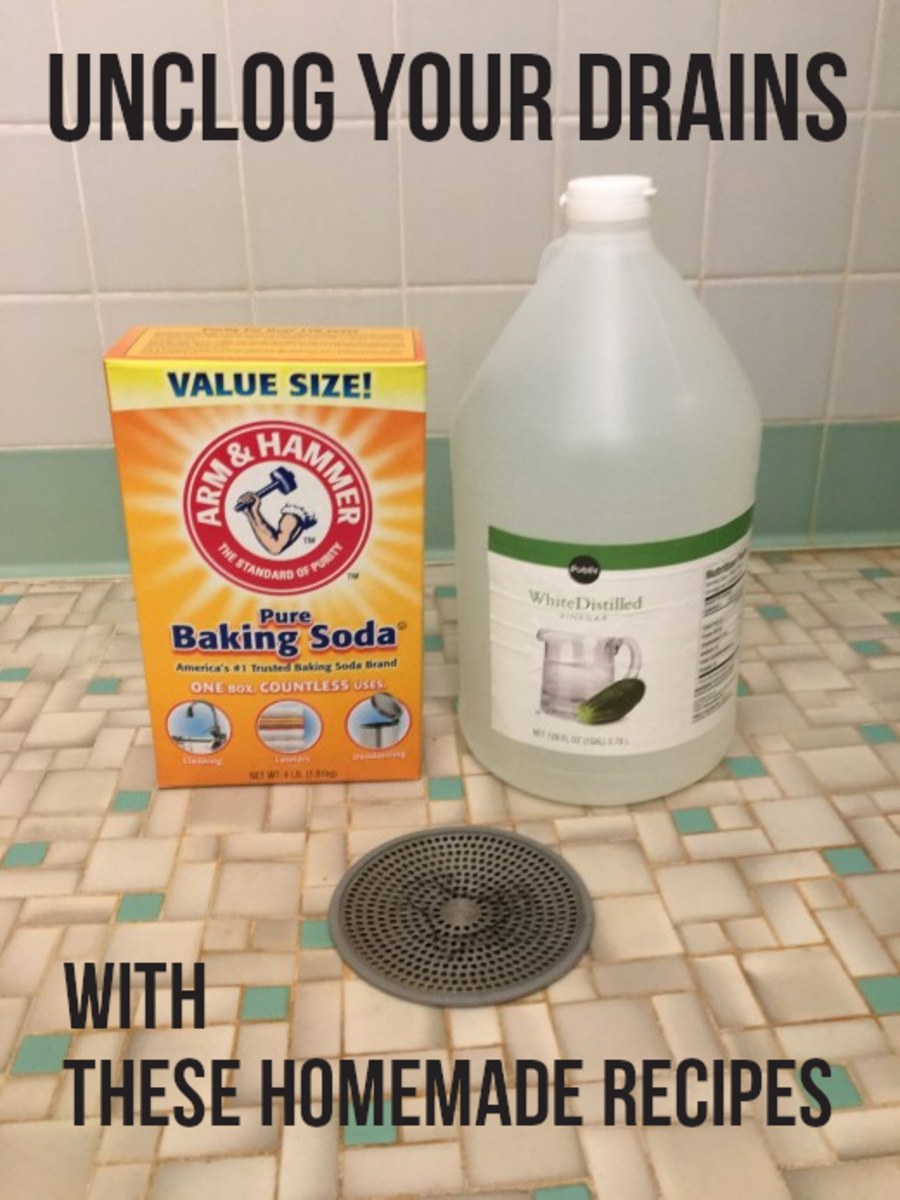
When it comes to clearing drains, many homeowners face the decision of whether to address the problem themselves or to call in a professional. CCTV Drain Surveys Cumbria , such as utilizing a plunger, drain snakes, or homemade remedies, can frequently be helpful for minor clogs. Homeowners can save hours and money by attempting these approaches first. Common household items like baking soda and vinegar can also provide a chemical-free approach to removing some blockages. Nevertheless, these methods may sometimes reach persistent clogs, particularly those deep within the plumbing.
On the other hand, professional plumbing help provide greater options for tackling severe or recurring clogs. Plumbers have professional tools, such as high-pressure water jetting machines and drain cameras, that can locate and remove the source of the problem more efficiently than do-it-yourself methods. They can evaluate the overall condition of the plumbing system, detect underlying problems like vegetation intrusions, and provide long-term solutions. While hiring a specialist may come with a higher cost, it can prevent homeowners from additional damage and recurring expenses related to persistent clogs.
Ultimately, the decision between do-it-yourself and professional unclogging services depends on the extent and regularity of the clog. For minor blockages, a do-it-yourself approach may suffice and empower homeowners with understanding of their plumbing system. Yet, for severe problems or if DIY attempts repeatedly fail, calling a professional is often the smartest and most effective route to take.
Avoidance and Maintenance Tips
To effectively prevent clogged drains, establishing a consistent maintenance routine is essential. This includes regularly checking and cleaning the drains to remove any buildup before it becomes a significant issue. Using strainers in sinks and tubs can capture hair, food particles, and other debris, preventing them from entering the plumbing system. Additionally, pouring drains with hot water weekly can help dissolve grease and soap residues that contribute to blockages.
Another important aspect of drain maintenance is being mindful of what is disposed of in the sinks and toilets. Avoid flushing anything other than toilet paper and human waste down the toilet. In the kitchen, be careful about putting oil, fats, or fibrous foods down the drain, as these can lead to grease buildup over time. Educating family members about proper disposal methods can greatly reduce the likelihood of clogs occurring.
Lastly, think about scheduling a professional inspection at least once a year. Professionals can use tools such as drain cameras to spot potential problems before they escalate. They can also perform hydro jetting or drain cleaning to ensure your plumbing system is in optimal condition. Investing time and effort into drain maintenance will save you from frustration and expensive repairs in the long run.