

Blocked sewers can turn a peaceful home into a annoying chaos in a matter of minutes. Comprehending the typical factors of clogged drains and how to effectively prevent the problem is crucial for every homeowner. From the hair that collects in bathroom sinks to the grease that gradually accumulates in kitchen pipes, there are many factors that lead to this troublesome issue. In this write-up, we will explore simple yet powerful techniques for unclogging drains and keeping them clear.
Furthermore, understanding the early warning signs of a potential clog can save you from expensive maintenance down the road. We will address various subjects such as DIY versus professional approaches, the best natural remedies for fixing clogged drains, and key maintenance tips to ensure your drainage system stays in peak condition. By the end of this article, you will be prepared with the understanding to address clogs with assurance and maintain the health of your plumbing system.
Common Causes and Prevention of Clogged Drainage Systems
Clogged drains can be a frequent household problem that many property owners face. One of the leading causes is hair, which quickly builds up in bathroom drainages, leading to blockages. To avoid this, putting in drain hair catchers screens can be an helpful solution. Regularly maintenance these screens and maintaining your drains can greatly diminish the likelihood of hair blockages. Additionally, using Discover more here -a-month sink-safe enzyme cleaning solution helps break down any buildup before it becomes problematic.
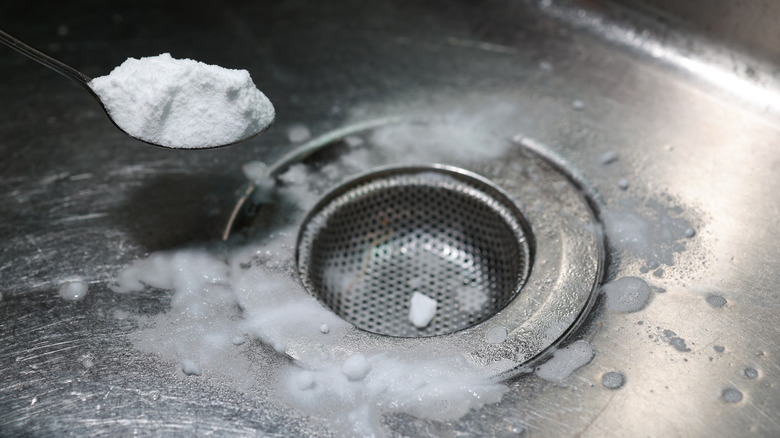
In kitchens, grease buildup is another key cause of clogs. When cooking, grease can easily find its way into the drain, hardening and accumulating over time. To avoid this, get rid of grease in a separate jar instead of pouring it down the drain. Rinsing dishes before placing them in the sink can also lessen food debris that contribute to blockages. Consider using a combination of baking soda and white vinegar periodically to keep your drainage systems fresh.
Root intrusion from nearby plants is a infrequent yet significant cause of major blockages. As the roots of trees grow, they can penetrate drainage pipes, causing significant disruptions within plumbing systems. To prevent this problem, make sure that trees are planted a safe distance from your sewer line and consider regular inspections with a professional who can detect possible issues early. Regular maintenance and awareness can protect homeowners from costly fixes down the line, making sure efficient drainage throughout the house.
Signs Your Drains Are Clogging
One of the initial indicators that the drains could be getting clogged is a slow drain. If water requires longer than normal to flow through the sink, bath, or tub, it’s a sign that debris might be accumulating in the pipes. This can be especially apparent in frequently used fixtures like sinks in the kitchen, where food particles and grease can impede drainage. Being aware of how fast the water drains can help you identify possible problems before they escalate.
A further indicator to look out for is unusual odors emanating from the drains. Foul smells might indicate that organic waste, hair, or various decomposing materials are decomposing within the system. These smells can be disturbing and, if left unaddressed, may result in more significant plumbing problems. Chronic, foul smells coming from the drains should require immediate attention to avoid worse issues.
Recurrent gurgling sounds when liquid drains can also indicate an upcoming blockage. These sounds occur when gas is trapped due to a clog, causing gurgling or bubbling noises as the liquid tries to flow out. Should you observe this occurring consistently, it may be necessary to investigate the issue more or act to prevent a complete blockage. Recognizing these indicators will assist you in taking care of your drainage system and prevent larger plumbing problems in the future.
Self-Service vs. Expert Drain Clearing Services
When it comes to unclogging drains, property owners often face a choice between self-service approaches and hiring a licensed plumber. DIY approaches can be cost-effective and are appealing for those who enjoy tackling home improvement tasks. Simple techniques such as using a toilet plunger, a drain snake or a mixture of soda and vinegar can often remove minor blockages. Additionally, routine upkeep, like using strainers and cleaning out debris, can prevent clogs from forming in the first place. However, these techniques may not always be effective for more serious blockages.
On the other hand, licensed plumbers possess advanced tools and expertise that can resolve stubborn clogs more quickly. They are trained to identify the underlying problems that could be causing frequent drain problems and often use techniques such as hydro-jetting and video inspection to ensure a thorough cleaning and accurate assessment. While hiring Drain Unblocking Cumbria may involve a higher upfront cost than DIY methods, it can save homeowners from potential damage and costs related to inadequate fixes.
Ultimately, the choice between Do-It-Yourself and professional drain clearing solutions should be based on the extent of the clog and the homeowner's comfort level with plumbing work. For minor issues, a do-it-yourself approach may suffice, while serious clogs or recurring problems are best handled by a licensed plumber. Routine maintenance and awareness of risks can help prevent many problems, no matter which approach is selected.