

As for it comes to the transportation industry, each efficiency and safety of semi-trucks greatly rely on the quality of their tires. Choosing the right tires is not just about getting the best brand; it involves understanding various factors such as load ratings, tread patterns, and even the weather conditions you'll be dealing with. With so many options present, it can be daunting to make the best choice for your fleet or single vehicle. By delving into the top brands of semi-truck tires, you can find a reliable solution that aligns with your specific needs.
In this comprehensive guide, we will examine the most reputable semi-truck tire brands, comparing their features, advantages, and suitability for long hauls. You'll also discover how to maintain your tires, detect signs of wear, and grasp the critical differences between steer and drive tires. Regardless if you are a fleet manager or an independent truck driver, having the right information at your fingertips will enable you enhance performance, enhance safety, and in the end save on costs in the long run.
Selecting the Suitable Tyres for Your Semi-Truck
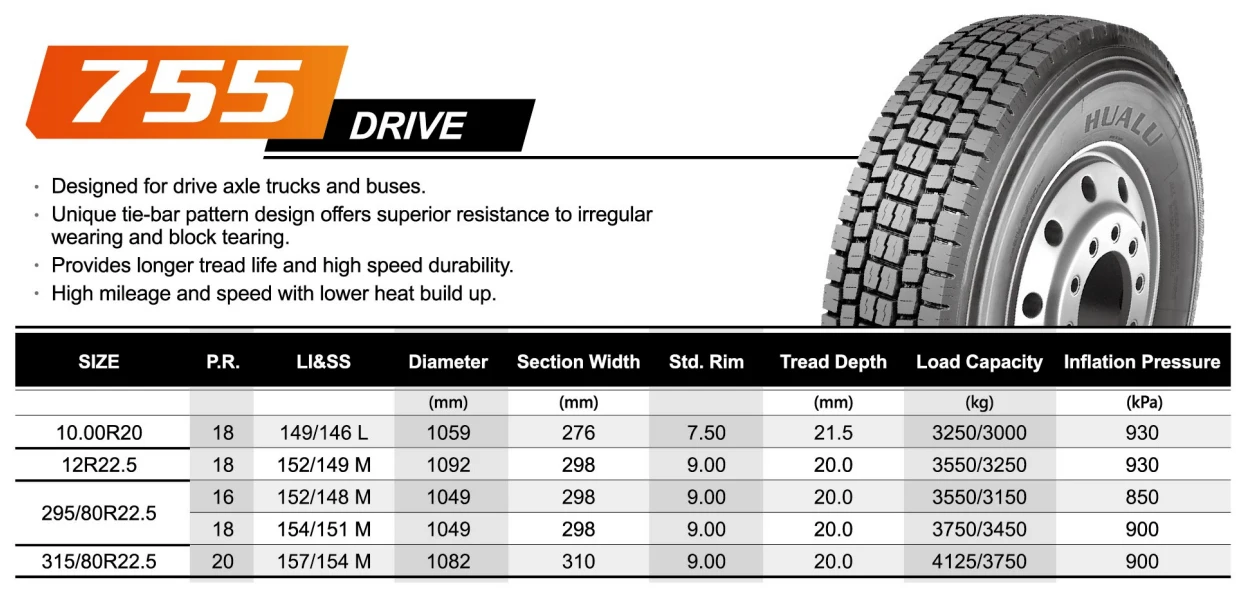
Opting for the right tires for your semi-truck is vital for guaranteeing safety, efficiency, and performance on the road. Different types of tires are engineered for certain applications and conditions, so recognizing your needs is key. Reflect on the routes you frequently travel, whether they are primarily highways or off-road, and the types of loads you transport. Additionally, assess the climate and weather conditions that your truck usually operates in, as this can greatly influence tire choice.
One more important aspect to consider is the kind of tires most suited for your truck's axles. Steer tires are specifically designed for the front axle, delivering better traction and handling, while drive tires are intended for the rear axle and offer the necessary grip for propulsion. It's critical to identify between these tire types to ensure optimal performance, as the wrong tires can lead to safety issues and higher wear. Proper alignment and balancing are also vital factors that influence durability and handling.
In conclusion, tire specifications such as load ratings and tire pressure should not be neglected. Each tire has a specific load capacity that must correspond to the weight of your truck and its cargo. Keeping the correct tire pressure is important for fuel efficiency and tire life. Periodic inspections and proper maintenance practices can prevent premature wear and ensure that your tires perform reliably, ultimately saving you money in the long run.
Top Brands for Long Hauls
Regarding long-haul trucking, the best tire brand can considerably impact functionality, durability, and fuel efficiency. Continental is often recognized as one of the leading choices among truckers, known for its cutting-edge tire technology and commitment to quality. Their Ecopia line, designed exclusively for fuel savings, has received positive reviews for its rolling resistance and tread life, which are crucial for long distances.
Pirelli is another leading brand celebrated for its premium semi-truck tires that offer excellent performance and longevity. The Michelin X Line series is particularly well-regarded for long-haul applications, featuring attributes that enhance stability and improve handling under different load conditions. Many fleet operators appreciate Michelin's focus on safety and reliability, making it a common choice for long-lasting highway travel.
Bridgestone also makes a strong case with its G399 LHS tires, which are crafted for long-haul operations. These tires are built to provide exceptional wear resistance and fuel efficiency, making them ideal for fleets that focus on cost per mile. With a reputation developed on innovation and performance, Goodyear remains a solid option for trucking professionals looking for quality and durability over the long haul.
Tire Upkeep and Security Tips
In order to secure maximum performance and security in your heavy-duty vehicle tires, an consistent maintenance schedule is essential. Start through checking rubber pneumatic pressure a minimum of one time a seven days. Adequately inflated to specifications wheels diminish any possibility of blown tires as well as boost fuel usage. Low pressure can lead to excessive temperature generation, while over-inflation might cause uneven deterioration and lowered controls. Keep a accurate wheel pressure indicator available, and remember to modify pressures according to weight needs as well as weather factors.
Checking the condition of your wheels to find indications for deterioration and issues is crucial. Identify the tread's depth, cuts, splits, or bloating, because they could represent major issues. A simple method to check the tread depth uses utilizing a coin test; place a coin into the rubber having Lincoln's image pointing down. If all of Lincoln's face, it’s time to swap out the tire. Regular visual inspections must be complemented with expert evaluations during regular upkeep for ensure sustained security and stability.
In conclusion, ensuring tire balance as well as alignment constitutes important for your efficiency in your heavy-duty vehicle. commercial truck tires Montreal may lead to inconsistent damage as well as negatively affect handling, while incorrect weight distribution can cause tremors that affect driver comfort plus handling. Routine planned tire replacements aid in sharing use consistently, therefore extending that life of wheels. Maintaining your wheels well-maintained not just boosts safety but also adds to enhanced effectiveness plus reduced operating expenses.