

Caring for your HVAC system is essential not only for guaranteeing optimal performance but also for extending its lifespan. A properly operating heating, ventilation, and air conditioning system keeps your home cozy year-round, boosts indoor air quality, and can even save you money on energy bills. Yet, many homeowners neglect the importance of regular maintenance and timely repairs, which can lead to costly repairs or replacements when issues arise.
In this article, we will explore actionable tips to keep your HVAC system operating efficiently and effectively. From knowing how often you should service your system and identifying the signs that indicate urgent attention is needed, to choosing the right HVAC system for your home and adopting energy-efficient solutions, we will guide you through everything you need to know. Whether you are a skilled home improver or someone looking to learn more about HVAC care, our detailed guide aims to equip you with the knowledge to ensure your home remains a secure sanctuary.
Essential HVAC Maintenance Practices
One of the primary practices in HVAC maintenance is regular servicing. How often should you service your HVAC system? Preferably, it should be done a minimum of once a year, ideally before the heating or cooling period begins. This preventive approach allows technicians to identify and resolve potential issues before they escalate, ensuring your system operates effectively. Seasonal maintenance also typically involves cleaning components, checking refrigerant levels, and testing for any signs of wear or issues, which can prolong the life of your system.
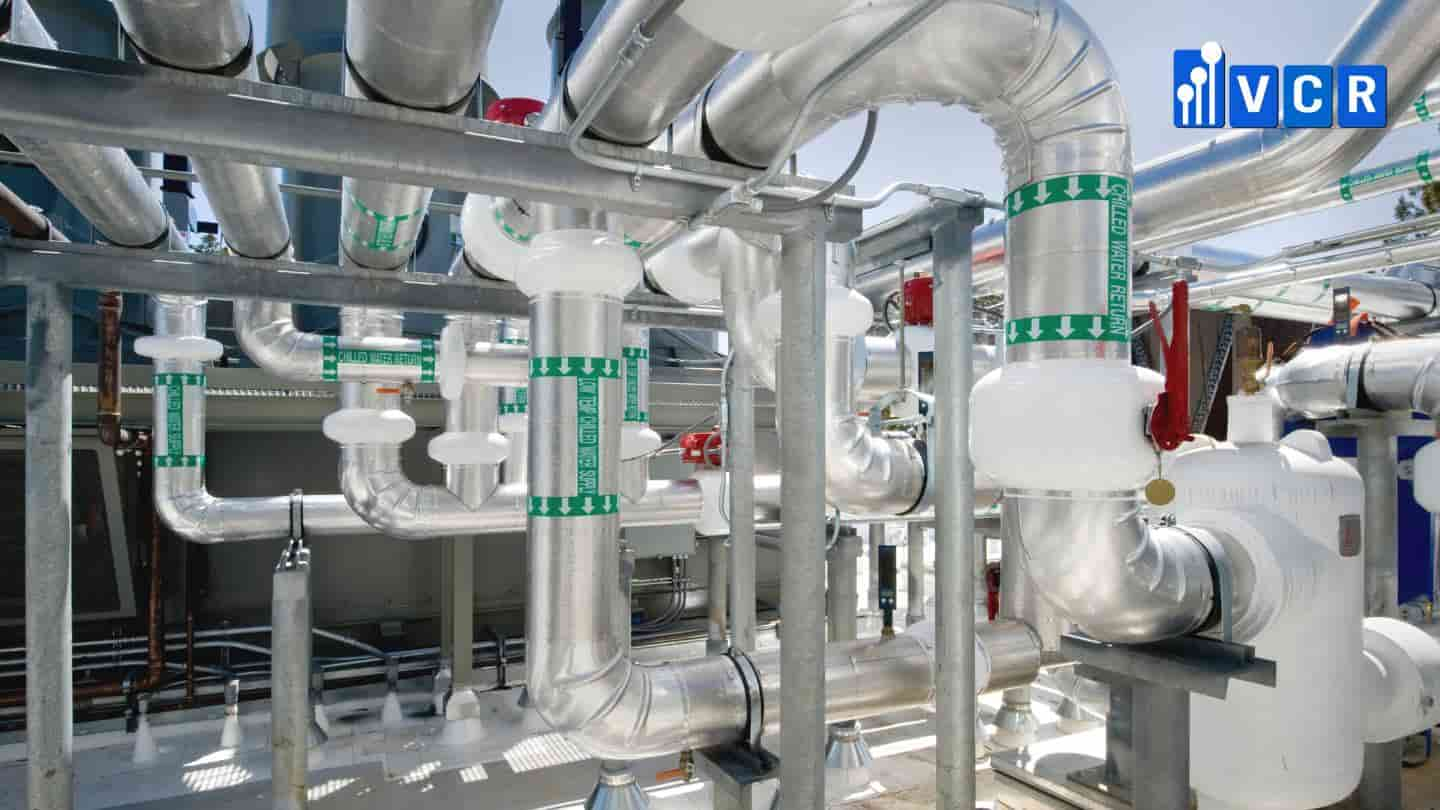
Another critical aspect is the prompt replacement of air filters. Understanding the importance of air filter changes in HVAC systems can’t be overlooked. Dirty or contaminated filters block airflow, making your system work harder and diminishing its efficiency. It is generally suggested to check filters on a monthly basis and replace them every three months or more frequently if you have pets or allergies. This straightforward task not only enhances indoor air quality but also boosts the overall performance of your HVAC system.
Lastly, creating a yearly HVAC maintenance checklist can serve as an excellent tool for homeowners. This checklist should include tasks such as servicing the outdoor unit, inspecting the ductwork for leaks, checking thermostat functionality, and making sure all vents are unobstructed. By following this structured approach to maintenance, you can stop common HVAC problems and keep your system running smoothly year-round, ultimately saving you money on energy bills and repairs.
Recognizing HVAC Problems Promptly
Taking a proactive approach to your HVAC system can protect you from expensive repairs and prolonged downtime. Regularly watching your unit's performance and listening for strange noises can help you identify emerging problems before they escalate. For instance, if you see your system is running longer than normal or not maintaining the desired temperature, it may be early signs that problems are arising. Additionally, strange smells coming from your vents could indicate electrical problems or mold infestation.
Another critical aspect of early detection is keeping an eye on your energy bills. check this site in your heating or cooling costs may imply that your HVAC system is working harder than it needs to, often due to inefficiencies or mechanical malfunctions. Keeping track of these changes will allow you to tackle problems before they result in a complete system failure. Furthermore, assess the air quality in your home; if you discover increased dust or allergens, your HVAC system may not be working efficiently.
Lastly, familiarize yourself with the 10 signs your HVAC system requires immediate attention. This list includes signals such as poor airflow, inconsistent temperatures in your home, and frequent cycling in and out. Identifying these signs early can assist ensure your HVAC system keeps optimal performance and longevity, ultimately enhancing your well-being and reducing the need for extensive interventions.
Cost-Effective Energy Solutions and Cost Savings
Investing in an high-efficiency HVAC system can greatly decrease your energy costs while also providing enhanced comfort throughout your house. When selecting a replacement system, look for models with elevated SEER values, which signify better cooling efficiency. Higher efficiency means your system uses fewer energy to cool or heat your space, translating to financial benefits over time. Additionally, well-maintained systems tend to function at maximum efficiency, which can enhance savings.
Consistent maintenance is crucial in ensuring your HVAC system remains energy-efficient. Simple tasks such as replacing air filters, cleaning ducts, and scheduling annual tune-ups can prevent the system from working harder than necessary, which often leads to increased energy consumption. By taking early action, you not only prolong the life of your HVAC system but also ensure energy costs in check.
Incorporating home automation technology, such as programmable thermostats, can enhance energy savings even more. These devices allow for accurate control over heating and cooling schedules, ensuring your system runs exclusively when required. By improving your HVAC operation, you can achieve significant cost savings while maintaining a comfortable indoor environment.