

Organizing a memorial service can feel daunting, particularly during a period of profound emotional distress. However, investing the time to manage this process thoughtfully can be one of the most thoughtful gifts you can give to your loved ones. Understanding your options and having a plan in place can alleviate much of the anxiety that comes with this final journey. This resource aims to offer families with the information they need to tackle funeral planning with clarity.
From formulating a thorough checklist to discussing the essential differences between different types of funeral services, this article will lead you through each step of the arrangement process. If you're thinking about pre-planning to ease the pressure on your family or exploring ways to tailor a ceremony that truly reflects the personality of a loved one, our perspectives will help you take informed choices while honoring cherished rituals and beliefs. In unison, we will discover how to plan a significant farewell without feeling burdened, ensuring that your family's path through grief is as smooth as possible.
Important Steps in Memorial Planning
When commencing the funeral planning process, the first necessary step is to understand your deceased's wishes. If they have expressed any desires regarding burial or cremation, specific arrangements, or tributes, make sure to gather that information. Understanding these wishes will guide the whole planning process and ease conclusions during a difficult time.
Next, it's crucial to establish a budget. Funeral costs can vary greatly based on location, choices chosen, and vendors selected. Take the effort to explore local funeral homes and their offerings. Many providers provide detailed pricing information, so families can evaluate options and find arrangements that fit with their financial resources. Creating a budget will help to rank features of the service while avoiding unexpected charges.
Lastly, it's crucial to develop a schedule for the planning process. This includes scheduling key tasks such as interacting with a funeral director, collecting necessary documents, and contacting family members and friends. A carefully designed timeline can lessen stress, ensuring that each step is finished promptly while allowing space for any modifications that may arise. It is a necessary framework to move through an mentally stressful period effectively.
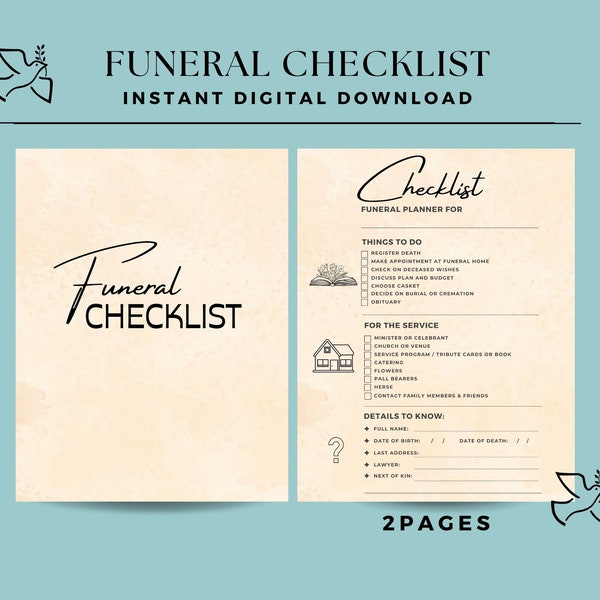
Grasping Memorial Choices
When planning a funeral, it's important to know the multiple choices available. Funerals can vary from traditional ceremonies held in a funeral home to more customized services that depict the deceased's individuality. Families can opt to include religious or cultural elements, select a particular venue, or decide on an open or closed casket. Knowing these choices allows families to create a service that honors their loved one while accommodating personal and cultural preferences.
Cremation and burial are two key choices that families often think about. Each choice comes with its own set of benefits and factors. Burial typically requires buying a plot in a cemetery and can entail additional expenses for grave markers and other memorial markers. Cremation offers options with the disposition of remains and may include options like storing ashes in an urn or scattering them in a meaningful location. Weighing these options mindfully ensures that families select the most suitable option for their circumstance.
Finally, families should evaluate the financial aspects when exploring funeral options. Knowing what different services and products are priced at, including transportation, preservation, and caskets, can help prevent monetary stress. Researching costs and talking about what is feasible ensures that families can offer a fitting farewell without stretching themselves. Being informed about available choices allows families to navigate this process with confidence and compassion.
Psychological Factors in Planning
The emotional struggles that arise during funeral planning can be overwhelming for countless families. Mourning the loss of a loved one while making important decisions can create a significant amount of stress and confusion. It is important to acknowledge the conflicting emotions that can arise during this period, including sorrow, anger, and even remorse. Recognizing that these feelings are a normal part of the grieving process can help families handle their decisions more empathetically.
Dialogue among family members is crucial during this time. Sharing ideas, emotions, and preferences can encourage a nurturing environment that allows all individuals to voice their opinions and participate to the arranging process. It may be beneficial to appoint a point person who can coordinate talks and help avoid confusions or disputes, ensuring that each person's requirements and desires are taken into account in the end choices.
Lastly, commemorating the memory of the departed is a deeply intimate endeavor that should embody their existence, principles, and personality. Taking the effort to personalize the ceremony can provide comfort to family members and loved ones, allowing them to honor and remember their dear one in a meaningful way. Engaging in this reflective process can also assist in the healing journey, as it can convert grief into a honoring of existence and a timeless tribute to the individual who has departed.