

Within the area of architecture and land development, geographical surveys serve as a fundamental basis for any successful project. A topographical survey delivers a detailed representation of both the environmental and man-made features of a landscape, highlighting everything from altitude variations to flora and water bodies. Understanding these aspects is crucial for architects, engineers, and land developers, as they influence design decisions, project feasibility, and compliance with local regulations. As we delve into this topic, we will explore what topographical surveys are, their importance, and the multiple scenarios where they are essential.
Ranging from residential developments to large-scale infrastructure projects, the information gained from topographical surveys can determine the variability between flawless operation and costly mistakes. With progress in technology, including GPS, drones, and laser scanning, the precision and productivity of these surveys have significantly improved, making them more available than ever. In this article, we aim to present an in-depth look at topographical surveys, emphasizing their applications, benefits, and the optimal techniques for conducting them to ensure project efficiency. Whether you are a seasoned professional or a newcomer to the industry, understanding the nuances of topographical surveys is necessary for navigating the difficulties of modern construction and land use planning.
Understanding Geographical Mappings
Terrain evaluations serve as essential resources employed to depict the innate and constructed characteristics of a particular site. They offer comprehensive insights about the terrain, including altitudes, contours, and any current buildings. This depiction is crucial for engineers, designers, and developers to grasp the configuration of the land prior to embarking on any undertaking. With accurate data, these mappings emphasize the relationship between multiple components of the terrain, rendering essential for efficient planning and execution.
The procedure of performing a topographical survey includes various approaches and innovations, including classic land surveying methods and contemporary advancements like GPS and UAVs. These technologies enable surveyors to gather information with great precision, which is then changed into detailed charts or 3D models. This information highlights important terrain attributes, such as slopes, drainage patterns, and vegetation, all of which are crucial for strategic planning in development initiatives.
Moreover, geographical mappings play a critical role in confirming that initiatives conform with community guidelines and eco-friendly practices. By accurately illustrating the terrain, these mappings help pinpoint potential challenges such as flooding dangers or insecure soil conditions. Understanding the topography of a site not only enhance the protection and usability of a project but also plays a role to long-term sustainability and cost-effectiveness in the design and rollout stages.
Importance of Site Mapping in Development
Topographical analysis function a key role in the building process by providing crucial information about the site and characteristics of a site. This data is important for designers, planners as it enables them comprehend the natural landscape, including altitude changes, current structures, and flora. By precisely illustrating these features, topographical surveys enable superior project design and development, finally leading to a more effective building finish.
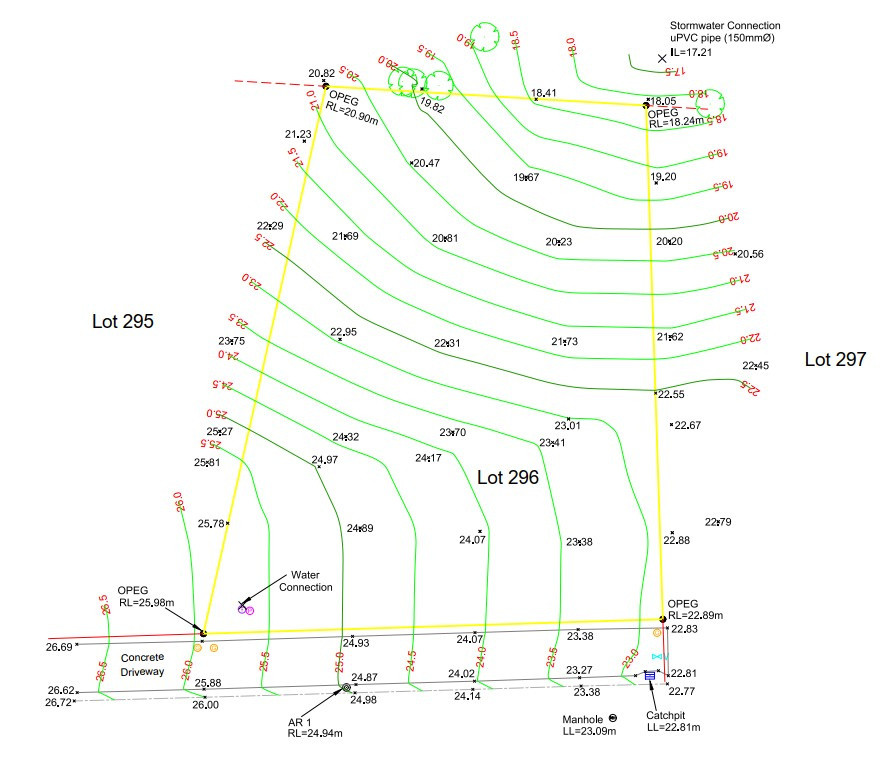
In furthermore to aiding in effective design, terrain analyses also help identify potential challenges and constraints associated with the site. This comprises water flow problems, slope stability, and other environmental factors that could impact the construction process. By recognizing these site constraints early on, project teams can formulate solutions and adapt their layouts as needed, hence avoiding expensive modifications and delays later in the building phase.
Furthermore, the information derived from terrain surveys is crucial to ensuring compliance with local standards and standards. Numerous planning requests require detailed surveys to assess the proposed development's influence on the surrounding environment and facilities. By securing accurate topographical information, building teams not only enhance the permitting process but also boost the overall integrity and success of the development initiative, giving peace of mind to both developers and investors.
Determining the Right Survey Techniques and Providers
Selecting the appropriate survey techniques and providers is essential for getting accurate and trustworthy topographical surveys. Great post to read may require specific techniques such as classic surveying, GPS technology, or aerial surveys using drones. Recognizing the essence of your project will help determine which method fits your needs optimally. For example, significant projects like infrastructure developments may profit more from drone and laser scanning techniques, while lesser residential developments might only need traditional surveying methods.
When reviewing survey providers, consider their background, qualifications, and the technology they utilize. A reputable company will have a proven track record in delivering high-quality surveys and will be acquainted with the latest advancements in surveying technology. Additionally, look for providers that can deliver a full range of services, including support with planning applications and legal compliance. This ensures that all aspects of your project are addressed, reducing the chance of complications down the line.
Ultimately, communication is crucial when working with survey providers. Engage in conversations about your project needs, timelines, and financial constraints. A provider who pays attention and grasp your needs will be more likely to deliver a topographical survey that meets your standards. Maintaining a good line of communication can encourage a successful partnership and in the end lead to the overall success of your project.