

Stepping into a dwelling adorned with hardwood flooring is like embracing the inviting embrace of nature personified. The allure of hardwood floors lies not only in their aesthetic beauty but also in their versatility and timeless appeal. As we strive to create spaces that foster comfort and connection to the ecosystem, timber flooring stands out as a superb choice, seamlessly blending modern design with organic elements.
In this article, we will examine various facets of wooden flooring, from selecting the right variety for your dwelling to understanding the benefits it brings. Whether you are drawn to the rustic charm of hardwood or the practicality of engineered wood, this guide will provide you with essential insights on placing, care, and the latest trends that will elevate your living space. Join us as we delve into the enchanting world of hardwood flooring and discover how it can transform your house into a sanctuary of warmth and style.
Benefits of Timber Flooring
Wood flooring offers a unique combination of aesthetic appeal and functionality that enhances any home. The organic aesthetic of wood creates a warm and inviting atmosphere, making spaces feel more homely and enjoyable. Various timber species provide different hues and patterns, allowing homeowners to customize their interiors to reflect personal style. Additionally, timber floors are adaptable and can complement both classic and modern decor, making them a everlasting choice for any setting.
Aside from their visual appeal, wooden floors are known for their durability and longevity. When properly maintained, hardwood can last for decades, often outliving alternative flooring types. Timber floors are also durable to wear and tear, making them an ideal choice for households with pets and high foot traffic. Moreover, unlike rug flooring, timber floors do not retain dust, pollutants, or bacteria, fostering a healthier indoor space.
Another significant benefit of timber flooring is its favorable impact on home value. Homes with hardwood floors often attract interested buyers, as they are seen as a luxurious and coveted feature. Investing in timber flooring can thus not only enhance your living space but also increase its market appeal, providing a strong ROI if homeowners decide to sell in the future.
Choosing the Right Wooden Floor
Picking the best wooden flooring for your house involves evaluating multiple elements, which include the type of wood, the coating, and the overall appearance you want to achieve. Begin by evaluating your way of living and the areas where the floor will be installed. High-traffic zones may demand more tough options, while less busy spaces can suit softer timber. Reviewing your personal style is also important; do you prefer a country style or a sleek finish? Your decisions should enhance the existing interior design and create a unified look in your house.
Grasping the distinctions between solid wood and composite wood is crucial in this decision-making process. Hardwood offers unparalleled beauty and lasting power, which makes it a sought-after choice for many house owners. Conversely, engineered wood is composed of layers of real wood veneer, providing stability and resistance to moisture fluctuations, which can be beneficial in wet environments. Investigating https://qcflooringmiltonkeynes.uk/best-wood-flooring-milton-keynes/ of different types of wood will assist you determine which kind will most effectively suit your demands.
Lastly, consider the sustainability and environmental responsibility of the materials you pick. Opting for certified sustainable wood can not only improve your home’s look but also contribute to environmental benefits. Make sure you familiarize yourself with the provided finishes and care needs, as these will impact the longevity and attractiveness of your timber flooring. By taking the time to pick carefully, you can appreciate a gorgeous and lasting timber flooring that provides value and warmth to your home.
Maintenance and Care Tips
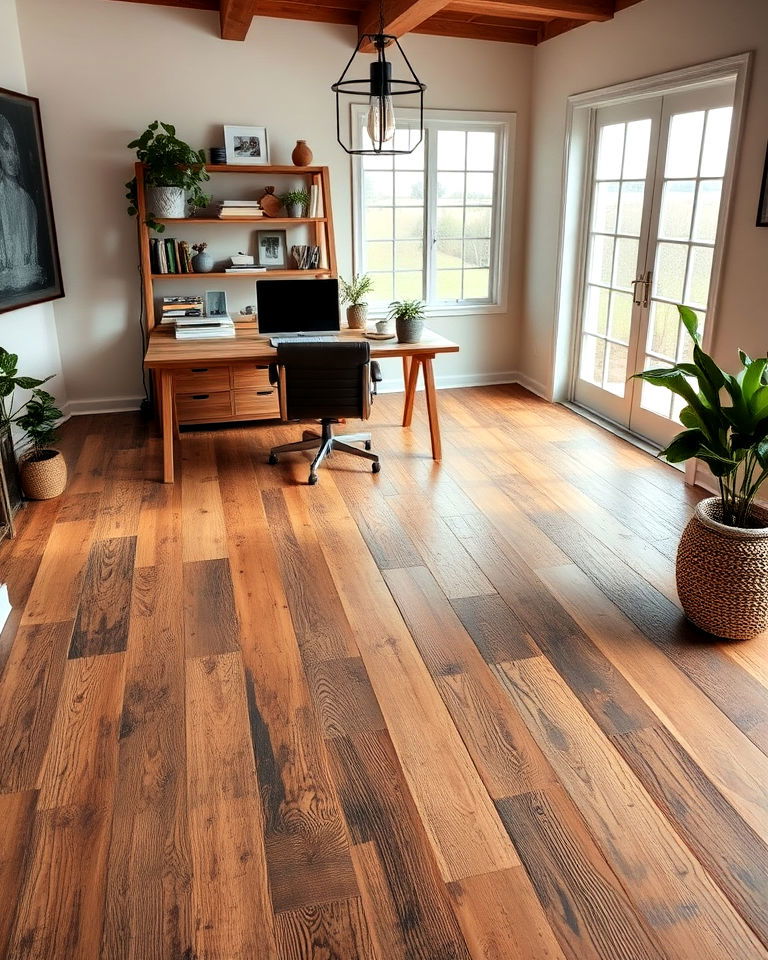
Adequate care and care are crucial for preserving the aesthetic appeal and durability of wooden floors. Routine cleaning is essential; use a gentle broom or a vacuum with a hardwood floor attachment to eliminate dust and dirt. For deeper cleaning, a moistened mop with a neutral pH wood floor cleaner will help maintain the finish without inflicting damage. Steer clear of using too much water or harsh chemicals as they can warp or hasten the degradation of the surface.
To protect your wooden floors from scratches and dents, consider placing felt pads under furniture legs and using area rugs in busy areas. Additionally, it's wise to refrain from walking on wooden floors with stilettos or abrasive shoes. Enforcing a strict no-shoes policy in your home can additionally shield your floors from unnecessary wear and tear.
Seasonal care is also important; in the winter months, maintain a consistent indoor humidity level to prevent wood from becoming dry out and cracking. During the summer months, ensure sufficient ventilation to avoid excess moisture, which can lead to warping. Consistently inspect your wooden flooring for indicators of damage and promptly address any issues, such as refinishing or fixing scratches, to keep your floors appearing their best for years to come.