

When property owners gradually pursue sustainable living options, the role of HVAC systems in energy conservation and indoor comfort is crucial. An green HVAC system not only improves the living standards but additionally contributes significantly to reducing the greenhouse gas emissions of a residence. With innovations in technological developments and a rising consciousness of ecological concerns, there are many options available to establish a better eco-friendly home environment through intelligent HVAC options.
In this write-up, we will examine a range of eco-friendly HVAC solutions to help you maintain your home cozy while conserving energy. We will discuss the importance of regular upkeep, energy-efficient systems, and advanced technologies like smart thermostats, which are essential in boosting the quality of indoor air and lowering utility bills. Whether you are considering upgrading your current system or merely want to enhance your existing setup, our thorough guide will supply you with valuable insights and actionable tips for making informed HVAC choices that support your eco-friendly goals.
Vital HVAC Maintenance Tips
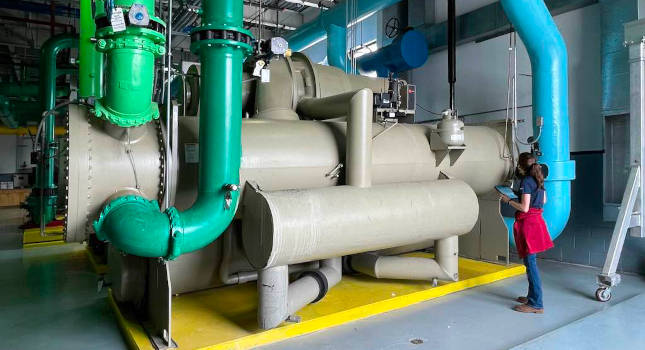
Routine maintenance is important for maintaining your HVAC system operating effectively and increasing its lifespan. One of the important aspects of maintenance is replacing the air filter consistently. Clogged air filters can block airflow, leading to greater energy consumption and stress on the system. Depending on how often it's used, filters should typically be replaced every one to three months. Check them monthly and clean reusable filters when necessary to ensure optimal performance.
In conjunction with air filter changes, conducting periodic checks is essential. Before the heating and cooling seasons, schedule a professional inspection to check all important components. This includes checking refrigerant levels, examining ductwork for leaks, and maintaining coils. Seasonal maintenance not just improves efficiency but also assists identify potential issues before they grow into costly repairs.
Finally, watch an eye on the system's performance throughout the year. Look for signs like odd noises, changing temperatures, or increased energy bills. If you spot any irregularities, contact an HVAC professional immediately. Quick attention to these symptoms can avert further damage and ensure your home remains pleasant year-round.
Choosing the Appropriate HVAC Solution
Choosing the appropriate HVAC system for your house is important for ensuring ease and energy savings. The initial step in this choice process is to evaluate the size of your home and its particular heating and cooling needs. An HVAC system that is too small will fail to keep pleasant temperatures, while one that is too large can result in increased utility bills and humidity issues. Work with a professional to conduct a load calculation, which establishes the correct system size based on criteria such as square area, insulation quality, and local climate.
Additionally, consider the type of HVAC system that aligns with your lifestyle and financial plan. There are multiple options available, including traditional central air conditioning systems, ductless mini-splits, heat pumps, and geothermal systems. Additional resources has its advantages and considerations. For instance, ductless systems provide flexibility and cost savings but may have higher upfront costs. Consider your long-term energy bills, maintenance requirements, and the system's effect on the environment to find the best fit.
Lastly, assess the performance metrics and features of potential HVAC systems. Seek out Energy Star-rated units, which guarantee superior energy performance, and understand the SEER (Seasonal Energy Efficiency Ratio) scores to compare the efficiency of air cooling systems. Smart controllers and zoned heating systems can additionally enhance energy savings by allowing more accurate control over your home's climate. Making an informed decision will lead to a more sustainable and comfortable living environment.
Improving Indoor Atmospheric Conditions
Ensuring high indoor atmospheric conditions remains vital for a nourishing living space. The HVAC system holds a key part in ensuring this by regulating the flow of air and purifying out pollutants. Regular upkeep, like swapping air filters and arranging tune-ups, guarantees your system operates efficiently and adequately gets rid of particles, pollen, and various irritants from the air. This not just contributes to a cleaner environment but additionally promotes the overall welfare of your family.
An effective efficient way to boost indoor air quality is by putting money in top-notch air filters. Look for filters with a high MERV rating, which will trap microscopic contaminants. Additionally, consider adding air purifiers and moisture maintainers into your HVAC system to further reduce pollutants and maintain optimal moisture levels. These appliances help eliminate allergens and improve air circulation, making your home a considerably more welcoming place to live.
Smart technology can further aid in improving indoor air quality. Numerous modern HVAC systems are equipped with sensors that observe air quality and adjust filtration levels in response. By using intelligent thermostats, you can create schedules that optimize airflow, guaranteeing that your home remains adequately circulated at all times. These innovations not just improve your comfort but may also lead to substantial energy savings, making them an eco-friendly option for ensuring a sustainable home.