

In the field of construction, the practice of harmony is essential in ensuring the robustness and security of constructed spaces. Structural design represents the discipline that focuses on both design and analysis of structures, allowing them to resist multiple forces and stresses while fulfilling their designed functions. Starting with structural engineering Surrey located in vibrant cities to the bridges that connect communities, structural design experts are often overlooked champions that enable contemporary infrastructure. They not only ensure that buildings are safe and functional but also integrate beauty and practical considerations.
As we delve into the essentials within structural engineering, we'll examine the relevance in modern construction initiatives and the crucial contribution that structural engineers play in bringing ambitious architectural visions to life. We will discuss various topics such as the materials and methodologies employed to attain structural integrity, to innovations that are reshaping our skylines. Whether you are an aspiring engineer interested in the field or an industry professional wanting to enhance your insight, this resource will clarify the foundational concepts and methods that underpin the framework of secure and sustainable building practices.
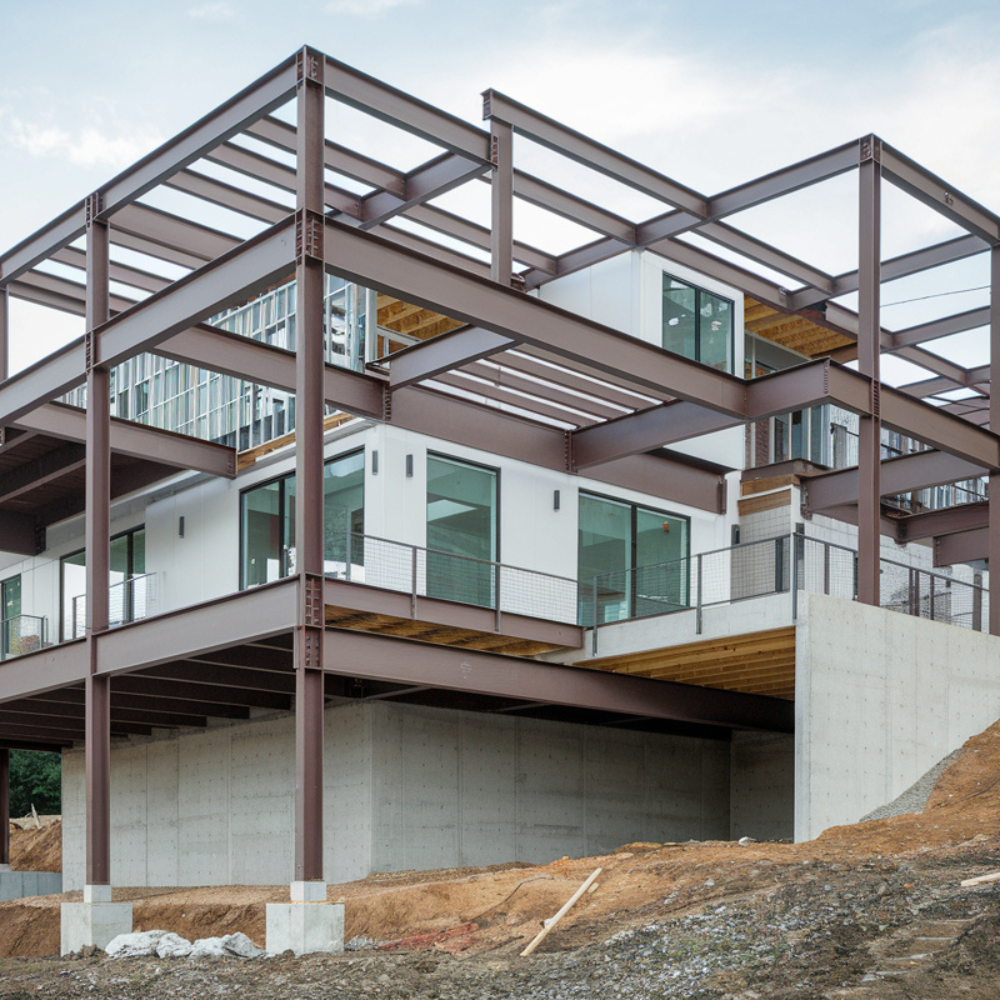
Comprehending Structural Design
Framework engineering is a key field in the realm of civil design that concentrates on the creation and evaluation of infrastructure that are capable of effectively withstand forces. It addresses the development of buildings, bridges, towers, and other edifices, making sure that they are simultaneously capable of supporting the forces placed upon them and also strong in the face of environmental factors like wind, earthquakes, and aging. At its heart, structural engineering highlights the harmony between strength, functionality, and aesthetic value, making it an integral part in modern construction.
Framework engineers play a vital role in the building process, working closely with architects and builders to design safe and durable edifices. They utilize their understanding of materials, physics, and math to solve complex design problems, making certain that all component of a structure upholds the overall integrity. This collaborative approach aids translate creative architectural concepts into reality while maintaining adherence with safety standards and local construction codes.
In view of ongoing advancements and evolving trials in the construction industry, the emphasis on sustainability has become progressively important within structural engineering. Engineers are now charged with integrating green building practices that lessen environmental impact while optimizing performance. As we look towards the future of structural engineering, it is apparent that this field will keep on adapt, utilizing new technologies and methodologies to build structures that are simultaneously safe and durable but also ecologically responsible.
Key Responsibilities of Mechanical Engineers
Civil engineers play a essential role in the design and construction of structures and infrastructure. structural engineer Surrey of their primary responsibilities is to design safe and efficient load-bearing frameworks. This involves assessing loads and stresses that components must withstand, ranging from the mass of the materials themselves to external forces such as wind and earthquake activity. By grasping these factors, engineers can determine the suitable size and materials for supports, posts, and bases.
In cooperation with architects, structural engineers ensure that the aesthetic vision of a plan aligns with safety and functionality. They evaluate and develop structural components that not only reinforce the building but also complement its appearance. temporary works Surrey ensures that structures and other constructions are both aesthetically attractive and structurally robust, which is important in current construction where design trends are continuously developing.
Another important responsibility of mechanical engineers is to focus on eco-friendliness in their designs. They strive to add eco-friendly building practices by choosing green materials and optimizing designs for energy efficiency. This focus on sustainability not only reduces the ecological impact of construction projects but also meets the rising demand for ethical architectural practices in today's society. By keeping aware about the most recent innovations and technologies, structural engineers can execute solutions that support sustainable sustainability while maintaining structural integrity.
Advancements and Future Directions in Civil Engineering
As the world continues to evolve, so does the discipline of civil design. Advancements in resources and technology are transforming the way engineers approach design and construction. Advanced materials like fiber-reinforced polymers and auto-repairing concrete are being included into developments, offering enhanced durability and longevity. These materials not only improve the structural integrity but also support to sustainability, aligning with the increasing demand for eco-friendly practices in building.
Another key development is the use of electronic tools such as BIM and various simulation software that facilitate the design process. These technologies allow civil designers to represent complex structures in three dimensions, making it easier to identify possible issues before building begins. Furthermore, the adoption of artificial intelligence and ML is allowing engineers to evaluate vast amounts of information effectively, leading to smarter design decisions that improve load distribution and enhance safety.
Looking forward, the emphasis on resilience and adaptability in civil design is critical. As global warming poses new obstacles, engineers are developing solutions to create structures and infrastructure that can withstand extreme weather conditions. Additionally, the push for prefabricated construction methods is building momentum, promising to minimize waste and building time. As these innovations continue to define the industry, structural designers will play a crucial role in creating secure, eco-friendly, and resilient structures for the long term.