

Lately, the building sector has been undergoing a major transformation, prompted by the demand for safer, efficient and sustainable practices. Among the cutting-edge strategies emerging in this industry, vacuum-based digging stands out as a game-changing method that is altering the way projects are executed. This safe excavation method utilizes strong suction to remove soil and material, providing a level of accuracy and security that traditional digging methods often do not offer.
As metropolitan regions continue to expand and construction requirements rise, the benefits of vacuum excavation become increasingly clear. From safeguarding subterranean services to minimizing halt times, this method is proving to be essential for a broad spectrum of construction applications. In this piece, we will investigate the multiple aspects of vacuum excavation, including its operational mechanics, safety advantages, economic benefits, and its significance in modern construction projects, demonstrating why this innovative method is not just a fad, but a key player in the prospective of the sector.
Comprehending Vacuum-based Digging
Vacuum excavation is a gentle digging method that utilizes negative pressure and air pressure to securely reveal underground infrastructure and systems. This innovative technique merges high-powered vacuums with a water or air lance, which loosens the soil while simultaneously removing debris. As a result, it enables contractors to accurately find and safeguard vital underground utilities such as gas lines, electrical conduits, and water pipes free from the risk of damage usually associated with traditional digging methods.
One of the standout features of vacuum excavation is its versatility. It can be used in a variety of applications, including utility locating, trenching for cable laying, and even landscaping where tree roots need to be protected. The method is particularly advantageous in urban environments, where space is tight and underground utilities are congested. By utilizing vacuum-based excavation, contractors can work more efficiently, reducing the likelihood of service interruptions and project delays.
Moreover, vacuum excavation enhances safety on construction sites. Traditional digging techniques often pose risks such as potential service strikes, flying debris, and worker injuries. With vacuum excavation, the precision of the method significantly reduces these hazards, allowing for a more secure working environment. As more construction projects adopt this modern technique, the industry moves toward a smarter, safer approach to handling underground infrastructure.
Benefits of Vacuum Excavation
One of the primary benefits of vacuum excavation is its non-destructive nature, which enables precise digging around critical underground utilities. Unlike traditional methods that may involve heavy machinery and aggressive digging, vacuum excavation uses suction to remove soil, significantly reducing the risk of damaging cables, pipes, and other structures buried beneath the surface. This precision not just protects existing utilities but also reduces the likelihood of expensive repairs and project delays associated with damage.
Another notable benefit is the enhanced safety it provides to construction sites. More help removes the need for manual digging, which can often lead to accidents and injuries. By using vacuum technology, workers are kept at a safe distance from the digging area, lowering the risk of trench collapses and worker exposure to hazardous conditions. This emphasis on safety is critical in the construction industry, where maintaining a secure work environment is paramount.
Furthermore, vacuum excavation contributes to environmental sustainability. The process produces less waste compared to traditional digging methods, as it is better in soil removal. Additionally, because it limits the disturbance of the surrounding area, it helps protect the natural landscape and lowers the impact on ecosystems. This eco-friendly approach aligns with the growing demand for sustainable practices in construction, making vacuum excavation a preferred choice for environmentally conscious projects.
Implementations and Optimal Strategies
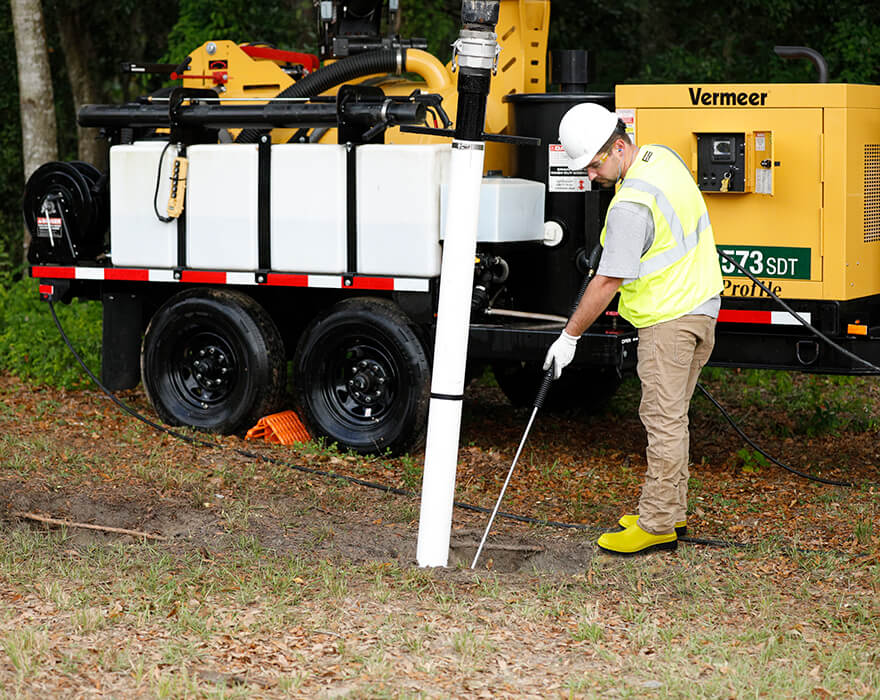
The vacuum excavation method is increasingly used in different fields, permitting operators to carry out tasks with precision while preserving underground utilities. This technique stands out in applications such as hollowing out, finding underground utilities, and the installation of telecom networks. Its ability to uncover these critical utilities without causing damage is crucial for providing uninterrupted service and enhancing project efficiency.
To obtain optimal results, following best practices is important. This includes thorough site assessment and planning, using the right equipment, and ensuring workers are prepared in safety protocols. Regular maintenance of vacuum excavation equipment also helps in minimizing downtime and enhancing performance. Moreover, carrying out a thorough risk assessment can provide knowledge into potential challenges unique to each task, allowing for anticipatory management.
As technology develops, integrating latest innovations into vacuum excavation operations is essential. Being aware about the newest equipment and techniques enhances operational effectiveness. Additionally, promoting a culture of safety and communication among team members can lead to smoother-running project execution and mitigate risks associated with excavation work. By implementing these best practices, construction professionals can enhance the benefits of vacuum excavation while aiming for a less hazardous work environment.