

In the busy world of construction, there is a group of professionals who often work behind the scenes, yet their input are vital to the completion of any building project. Scaffold contractors are the unsung heroes who provide the critical structures that allow construction workers to perform their tasks safely and proficiently at different heights. With a deep understanding of the intricate requirements that come with multiple types of projects, these contractors play a important role in ensuring that all phase of the construction process runs smoothly.
From big commercial developments to intimate residential renovations, scaffolding is crucial to accessing inaccessible areas while maintaining safety. As the construction industry develops, so too do the methods and materials used in scaffolding. The expertise of scaffolding contractors becomes indispensable, not only for compliance with safety regulations but also for ensuring projects on schedule and within budget. In this article, we will explore the many facets of scaffolding contracting, bringing light on their important role, the importance of hiring professionals, and what makes a standout scaffolding contractor shine in the industry.
Grasping Scaffold Professionals
Scaffolding professionals play a essential role in the building industry, acting as the foundation that supports various projects, from residential buildings to large-scale commercial builds. These professionals are tasked with the design, installation, upkeep, and evaluation of scaffolding systems, which provide the essential support for workers and supplies at heightened heights. Their expertise ensures that building sites are both functional and safe, allowing other trades to perform their tasks effectively.
One important element of a scaffolding contractor's responsibility is evaluating the specific requirements of each project. They must consider factors such as the kind of building, the substances being used, and the intended purpose of the support. This meticulous planning helps determine the appropriate scaffolding type, be it frame scaffolding, suspended scaffolding, or other variations. By collaborating closely with construction workers and engineers, scaffold contractors ensure that the support systems are tailored to the specific needs of each project.
In addition to technical skills, effective communication and problem-solving abilities are crucial attributes for scaffolding contractors. They often face surprising issues on-site, necessitating swift thinking and flexibility to maintain work timelines and security standards. By prioritizing the safety of workers and compliance with regulations, scaffolding contractors not only protect the workers but also add to the overall achievement of construction tasks, making them essential to the industry.
Safety and Compliance in Scaffold Systems
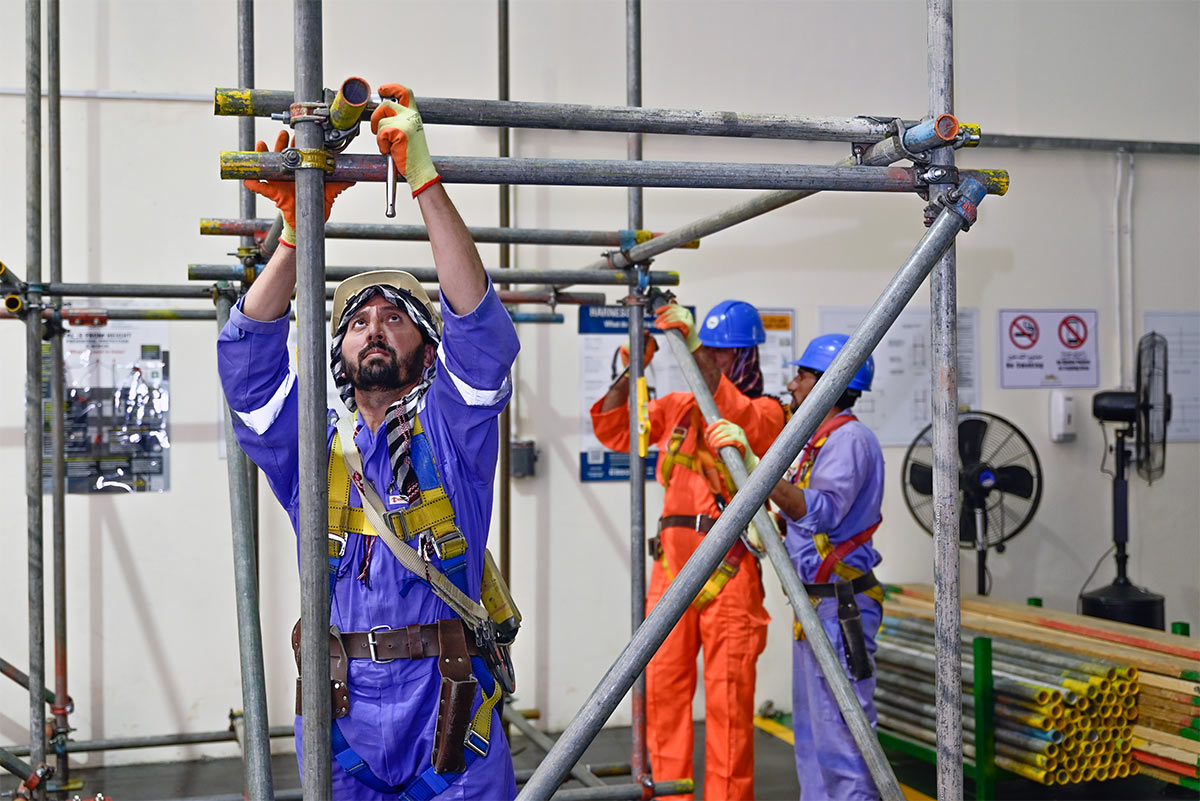
Safety is a primary concern in the construction industry, and scaffolding contractors play a vital role in making sure that safety requirements are met. These professionals are trained to identify potential hazards associated with scaffolding and enforce measures to reduce risks. They follow strict safety regulations and guidelines set by bodies such as OSHA, which helps to safeguard workers from incidents and injuries while working at elevated surfaces.
Compliance with security requirements extends beyond just the installation of scaffold systems. Scaffolding contractors are responsible for conducting regular inspections to ensure that the structures stay safe throughout the duration of work. This includes checking for physical integrity, stability, and proper access points. By adhering to security protocols and conducting comprehensive inspections, contractors not only safeguard workers but also promote a culture of security on building sites.
Furthermore, scaffolding contractors often provide instruction for their teams to ensure that all workers are aware about security procedures and compliance requirements. This instruction includes the correct use of personal protective equipment, recognizing dangerous situations, and knowing emergency procedures. By investing in security training and maintaining adherence, scaffolding contractors enhance the overall security environment of building sites, ensuring successful and problem-free projects.
Choosing the Best Scaffold Solutions
Choosing the best scaffolding options for a project is essential to ensuring safety, effectiveness, and cost-effectiveness. Begin by analyzing the specific needs of the building site, including the kind of tasks being done, elevation, and accessibility requirements. Varied projects may require various types of scaffold, such as braced scaffolds, hanging scaffolds, or rolling units. Consulting with experienced scaffold providers can give valuable insights into what kind will best meet your job's demands while adhering to safety regulations.
It is crucial to consider the substances utilized in scaffolding as well. Steel and aluminium are popular choices, both with its specific range of benefits and disadvantages. Scaffolders In Whitstable is durable and can hold considerable loads, making it suitable for heavy-duty projects, while aluminium is lightweight and simpler to transport. Understanding the ecological impact of scaffolding substances is also crucial; opting for eco-friendly options can help minimize the environmental impact of the building process.
Finally, budget plays a critical role in choosing scaffolding options. Professional scaffold providers can assist you manage cost considerations, ensuring that you get the best return without compromising quality or safety. While it might be tempting to go for the cheapest option, choosing licensed providers who use premium materials and follow security regulations can ultimately spare you costs in the future by avoiding accidents, project setbacks, and the need for redoing.