Oral health plays a vital role in our general well-being and self-esteem. For many people, the loss of a tooth or several teeth can lead to feelings of insecurity and discomfort, affecting their quality of life. Fortunately, progress in dental technology have made it feasible to restore smiles and confidence through dental implants and restoration procedures. These cutting-edge solutions not only mimic the look and function of natural teeth but also contribute significantly to oral health.
In this thorough guide, we will explore the key facts about dental implants and restorations, emphasizing their advantages, procedures, and the transformative impact they can have on individuals. From comprehending the differences between dental implants and bridges to navigating the consultation process and recovery timeline, this article aims to provide you with the information you need to make educated decisions about restoring your smile. Whether you are considering your options for a one tooth replacement or full mouth restoration, the path from loss to shine awaits.
Understanding Implant Dentistry as well as Rehabilitative Procedures
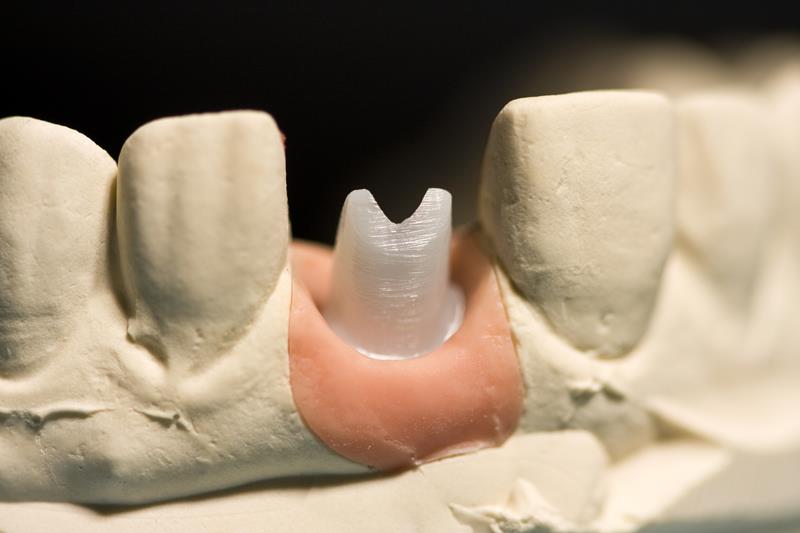
Implants truly revolutionized the approach we approach dental replacement alongside reconstruction. Differring from traditional methods such as removable dentures and bridges, tooth implants require a surgical process where a titanium rod is inserted into the jaw, which resembles the root of a healthy tooth. This solid base facilitates a dental crown, bridge, as well as removable prosthesis to be securely attached, leading to a practical and visually appealing solution. The innovation behind dental implants has improved, ensuring better success rates alongside more customization to meet individual patient needs.
The restoration procedure is essential to obtaining the desired outcome once the dental implant is placed. Once the tooth implant bonds with the bone, that can take a number of months, a restoration procedure takes place to place the final artificial tooth and set of teeth. This reconstruction is crafted to resemble the visual similarity and utility of organic teeth, improving not only the facial appearance and also the self-assurance of the patient. There are multiple options, such as one-tooth crowns for individual missing teeth or complete arch rehabilitations for patients needing multiple replacements.
Opting for dental implants comes with many advantages that go beyond just aesthetics. These devices help maintain jawbone health, hinder the shifting of surrounding teeth, and boost overall mouth health. Solutions supported by implants typically offer improved chewing efficiency and ease compared to old techniques. As technology improves, a growing number of individuals discover that tooth implants represent a trustworthy as well as effective choice capable of transforming their facial aesthetics to improve their lifestyle.
The Tooth Fixture Process
The oral prosthesis procedure is a multi-step process created to secure the safe replacement of missing dentition. It begins with a detailed evaluation, where the oral surgeon examines the client's oral status, performs required scans, and reviews therapy alternatives. This phase is vital to determine the best approach adapted to the client's needs, including whether extra procedures like bone grafting are required to anchor the implants.
Once the evaluation is finished and the treatment plan is established, the next step involves the implantation of the implant. During this operation, a titanium post, which acts as the man-made base, is inserted into the jawbone. For clients, this may sound alarming, but current methods and anesthesia options create the experience more tolerable. After the implant is inserted, a healing phase ensues, allowing the jawbone to bond with the fixture, establishing a stable base for the eventual restoration.
After adequate healing, which can take several periods, the last reconstruction process commences. This entails attaching a tailored cap or link to the implant, providing a authentic aesthetic and functionality. The dentist will make certain that the restoration matches the neighboring teeth in color and shape, renewing not only the aesthetic look of the grin but also the client's self-esteem. https://fixeddentalcare.com/ and attention are necessary to preserve the durability and condition of the dental prostheses and their restorations.
Caring for Your Teeth Implants
Caring for the oral implants is crucial for the longevity and effectiveness. Just like natural teeth, implants require regular maintenance to prevent bacteria buildup and decay. This means maintaining a consistent oral hygiene routine, which includes brushing at least twice a day with fluoride toothpaste, flossing daily, and using an antibacterial mouthwash. Careful attention in your cleaning habits will ensure that you keep your implants sparkling but also protect your general oral health.
Regular dental check-ups are an integral part of caring for your dental implants. It is recommended to visit your dentist at least twice a year for professional cleanings and examinations. During these visits, your dentist can monitor the condition of your implants, ensure there are no issues with the surrounding gum tissue, and address any concerns that may arise early on. Your dentist can also provide personalized advice on care and maintenance, customized to your specific dental situation.
In addition to personal hygiene and consistent check-ups, it is important to avoid harmful habits that can threaten your dental implants. This includes steering clear of hard foods that may damage your implants or surrounding teeth and avoiding the use of tobacco, which can impede healing and increase the risk of implant failure. By following these guidelines, you can benefit from the benefits of your oral implants for years to come, improving not only your smile but also your confidence.