

Topographic surveys are a crucial aspect of land development, providing detailed information about the natural and man-made features of a site. These surveys capture the contours, heights, and 3D layouts of the landscape, enabling planners, contractors, and planners to make well-grounded decisions during the architectural and development phases of projects. Whether you are embarking on a residential development, civil engineering project, or a simple extension, understanding the topography through reliable topographical data is essential.
As urbanization continues to increase and environmental considerations become more pronounced, the significance of topographic assessments cannot be ignored. They serve as the backbone for effective site planning, helping to identify site constraints and make certain that all relevant regulations and legal requirements are met. In this article, we will explore the science behind topographical surveys, their significance in various types of developments, and how advancements in tech are enhancing the precision and efficiency of these necessary assessments.
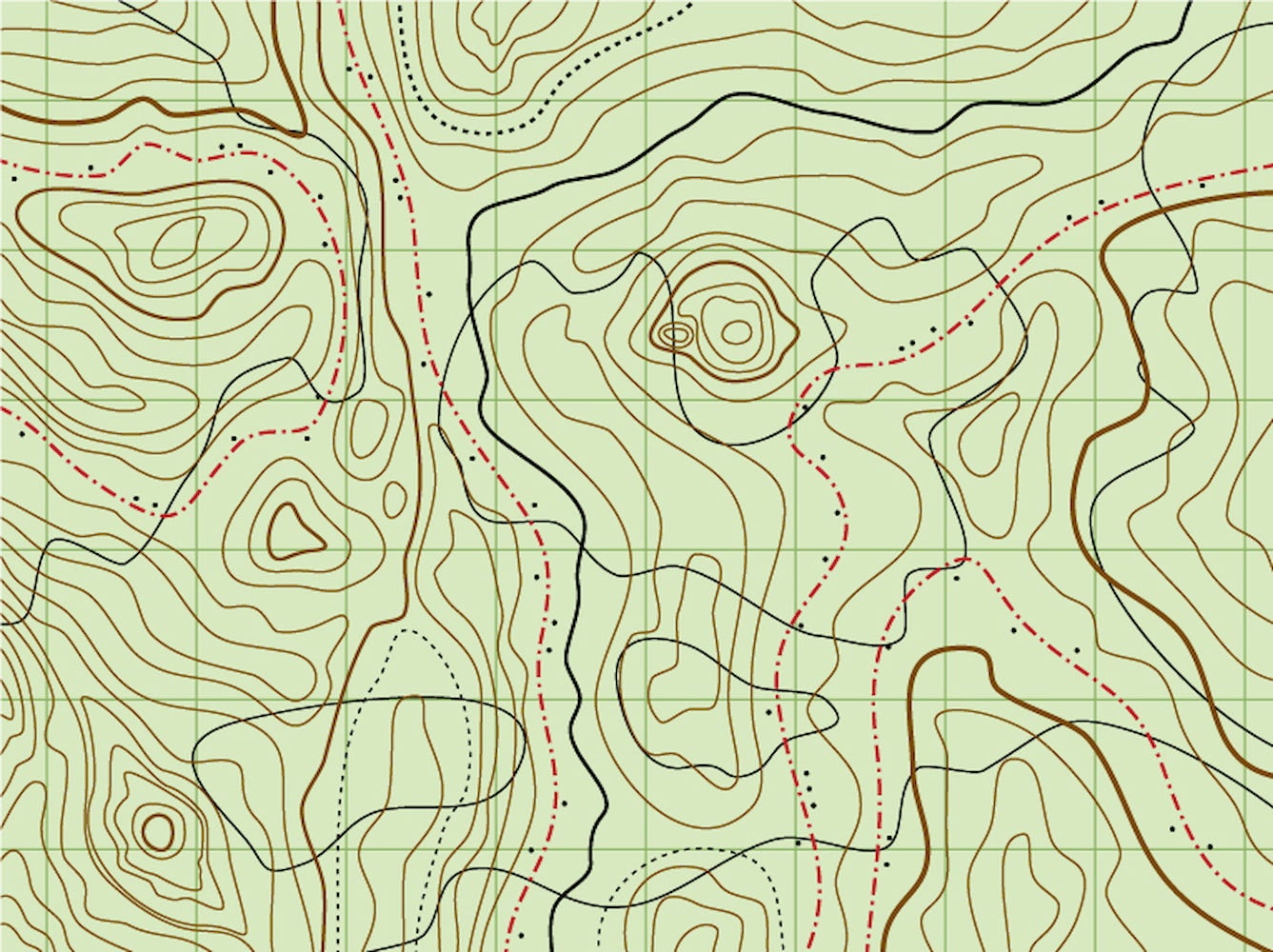
Understanding Terrain Surveys
Topographical analyses represent thorough depictions of the characteristics and shapes of a specific area. They give a three-dimensional perspective of the land, showcasing natural features like mountains, gorge, and lakes, as well as man-made structures such as buildings, roads, and services. These surveys are vital for comprehending the lay of the land and serve an essential role in multiple fields, including construction, engineering, and site development.
The data gathered in a topographical analysis typically includes the elevations and contours of the site, which are depicted through elevation lines on a plan. This information helps in assessing the land features and understanding how it will impact building efforts. By accurately reflecting the land's characteristics, terrain surveys assist in creating efficient drainage systems, road layouts, and comprehensive site design, ensuring that projects are both practical and sustainable.
Experts use topographical surveys to recognize potential constraints and obstacles presented by the land. This knowledge becomes crucial not only during the planning stages but also in the construction phase, where it can assist avoid costly mistakes. By having a crisp view of the land layout, developers and engineers can take informed decisions that enhance the efficiency and safety of their endeavors, ultimately leading to favorable results.
Importance of Territorial Measurements in Development
Territorial assessments perform a key function in the development procedure by delivering comprehensive information about a site's landscape and features. They chart the contours of the land, including elevation, gradients, and natural elements such as trees and aquatic elements. This data is essential for designers and contractors to develop structures that are not only useful but also secure and congruent to the site’s attributes. Without correct terrain data, the risk of significant design changes and project flaws rises significantly.
In furthermore to assisting in planning, geospatial measurements are essential for ensuring adherence with building codes and sustainability laws. They help construction leaders recognize site challenges and analyze factors that could influence construction, such as stormwater management and flood risk. By grasping the 地形, construction workers can devise strategic tactics for controlling excess water and preventing soil loss, which are essential for preserving the integrity of the project and adjacent areas.
Finally, topographical surveys contribute to budget optimization and time management in development. By offering a concise comprehension of the site circumstances from the start, they help sidestep surprises that can result in setbacks and budget overruns. Accurate surveys enable more precise arrangement, resource management, and timing. In summary, allocating resources efforts and funds in thorough geospatial assessments promotes favorable outcomes and improves long-term sustainability in construction practices.
Tech Developments in Terrain Surveys
The advancement of technology has greatly altered the approaches used in geographical surveys. Click here for more info , which relied heavily on physical measurements and traditional instruments, have been improved by the rollout of advanced tools such as Global Positioning System, unmanned aerial vehicles, and light scanning. These technologies allow surveyors to collect vast quantities of data with remarkable precision in a small portion of the time it once take. By combining these tools, professionals can effectively map out complex landscapes and generate comprehensive topographical models that facilitate various development projects.
Contemporary UAVs equipped with high-resolution cameras and Light Detection and Ranging systems have revolutionized data collection. These drone aerial vehicles can traverse large areas quickly and provide excellent imagery, which helps in correctly assessing the terrain's contours and features. Furthermore, light scanning technology permits the collection of millions of data points in a short period, creating 3D representations of the surveilled area. This level of detail helps architects, engineers, and planners in making knowledgeable decisions based on the detailed landscape of the site.
In addition to improved data collection methods, developments in applications have streamlined data processing and analysis. Programs tailored for geographical surveys can interpret data and generate visualizations that are easy to understand. These software not only enhance accuracy but also promote collaboration among stakeholder members. By leveraging these innovations, surveyors can ensure that projects proceed seamlessly, minimizing the chances of delays and cost overruns, ultimately leading to more positive outcomes in development and improvement.